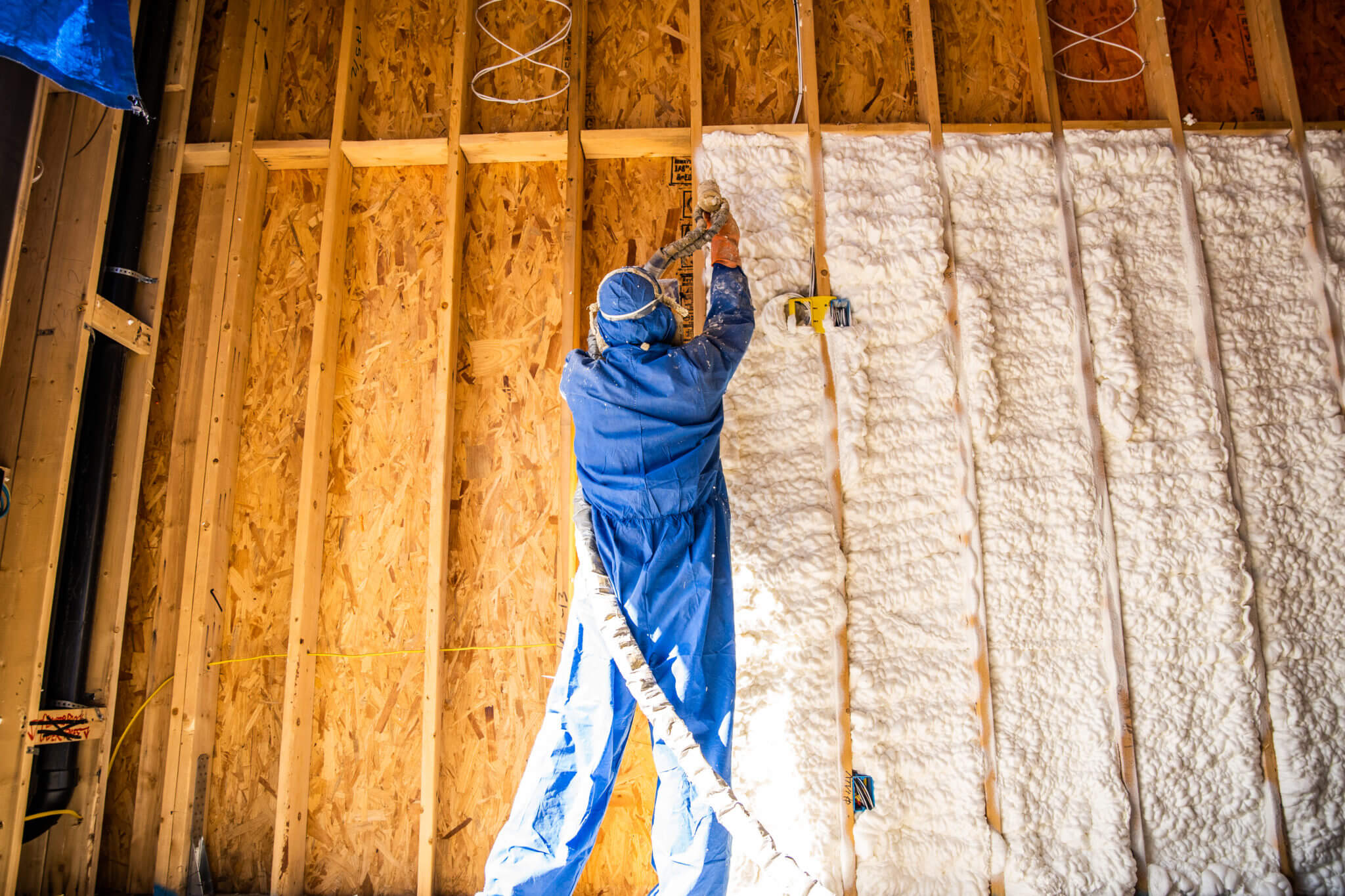
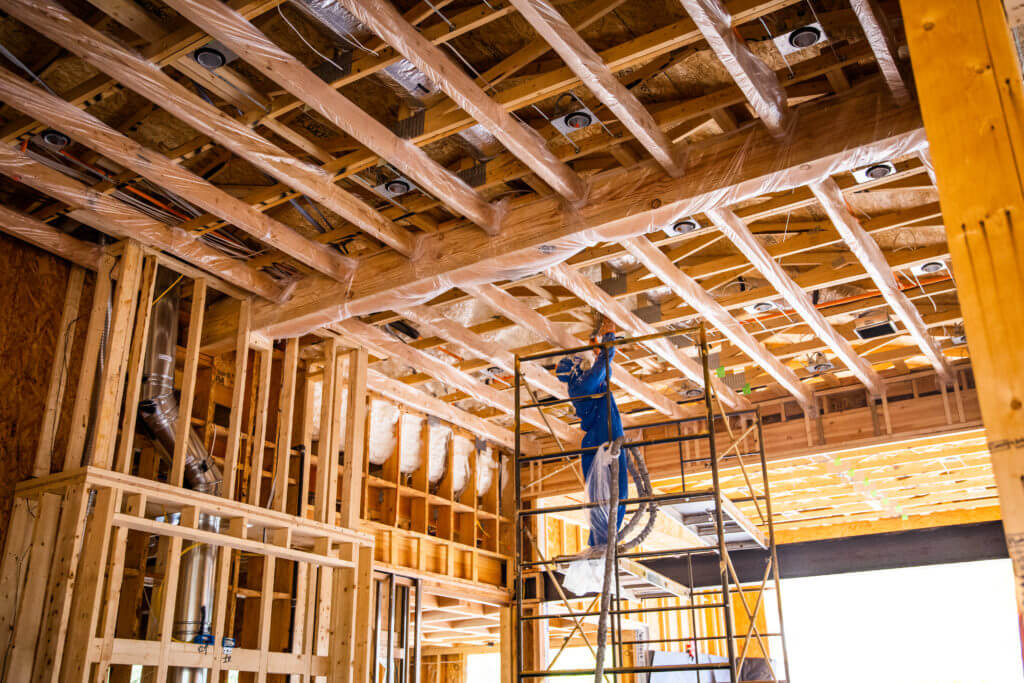
WALL INSULATION, INTERNAL AND EXTERNAL WALL INSULATION WITH OPEN-CELL POLYURETHANE FOAM. Closed-cell polyurethane foam shall be used for external wall insulation. This material can be used for both ventilated and plastered facades. The material’s excellent energy performance (Thermal conductivity coefficient 0,038 W/m∙K) provides excellent wall resistance with a minimum of thermal insulation layer.
External and internal wall insulation with polyurethane open pore technology
Modern construction and renovation projects are increasingly using advanced insulation materials to ensure efficient thermal performance and comfort in buildings. One such innovative material is polyurethane open-pore foam. This technology is becoming increasingly popular due to its outstanding thermal insulation properties and its versatility for both external and internal wall insulation.
What is polyurethane open-cell foam?
Polyurethane open-cell foam is a lightweight, porous material that is created by mixing two chemicals – isocyanate and polyol. When these materials are mixed, they react to form a foam that expands quickly and fills all gaps and irregularities. Due to its open pore structure, this insulation material allows the building to “breathe” while providing excellent thermal insulation.
External wall insulation
External wall insulation with polyurethane open-cell foam has many advantages. One of the main ones is effective thermal insulation. Polyurethane foam is ideal for use on external walls as it adapts well to any surface shape and fills all cracks, reducing heat loss. In addition, this method helps to reduce the thermal bridging effect that often occurs in traditional insulation systems.
The use of polyurethane foam insulation can lead to better energy saving results as this material has a high R-value (coefficient of thermal resistance) compared to other insulation materials. Polyurethane foam is also resistant to moisture and mould, which is particularly important for external structures.
Internal wall insulation
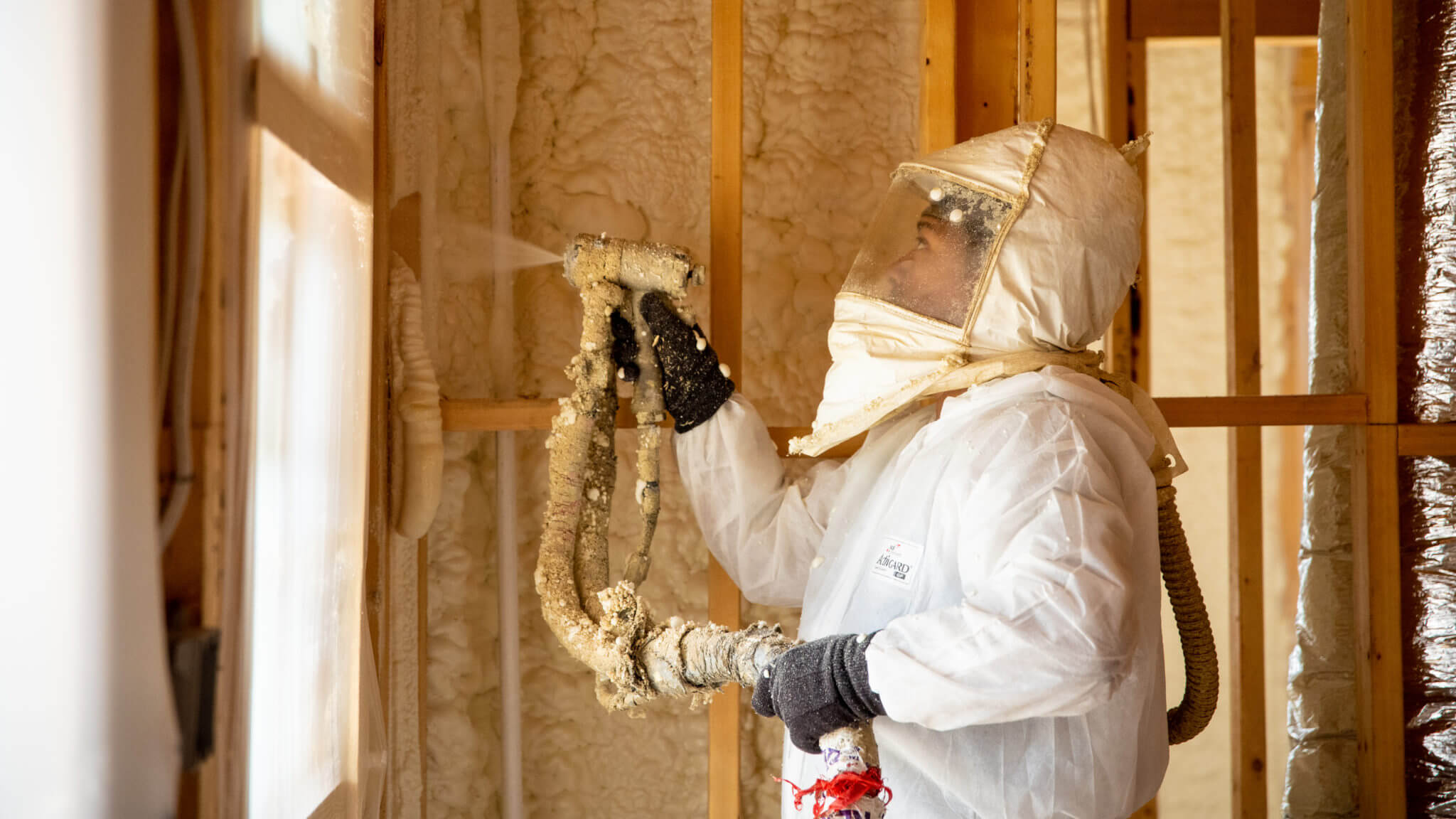
Polyurethane open pore technology can also efficiently construct internal wall insulation. This material can insulate complex internal structures as the foam can be sprayed directly onto the walls, ceiling or floor. This helps to reduce heat loss and increase the energy efficiency of the building.
One of the main advantages of internal insulation is that polyurethane foam acts as a sound insulator, reducing noise levels inside. This is particularly important in apartment blocks or office buildings where a comfortable acoustic environment is important. In addition, the foam helps to create an airtight barrier that prevents airflow and moisture penetration.
Advantages and disadvantages of polyurethane foam
Advantages:
- Effective thermal insulation: Polyurethane open-cell foam has a high R-value for excellent thermal insulation.
- Moisture Resistance: This material is resistant to moisture and mould, which helps maintain the structural integrity of the building.
- Sound insulation: Due to its porous structure, the foam effectively isolates sound.
- Flexibility: Polyurethane foam can be applied to surfaces of all shapes and sizes, filling all gaps and crevices.
Disadvantages:
- Cost: Polyurethane open-cell foam is more expensive than some other insulation materials.
- Professional installation: Installation of this material requires special equipment and skilled professionals.
Open-cell polyurethane foam – Invest in home insulation and get all the benefits!
Polyurethane foam insulation will help you to reduce heating costs, improve the energy rating of your home and increase its value. It is an innovative and high quality solution that will ensure your home will last comfortably for many years. Don’t waste time – start saving money and living better today! Insulate your wooden, log and timber homes effortlessly with our revolutionary open-pore polyurethane foam. With an outstanding thermal conductivity of just 0.038 W/mK, this lightweight and highly expandable material provides unrivalled insulation for roofs, lofts, soffits, walls and frames.
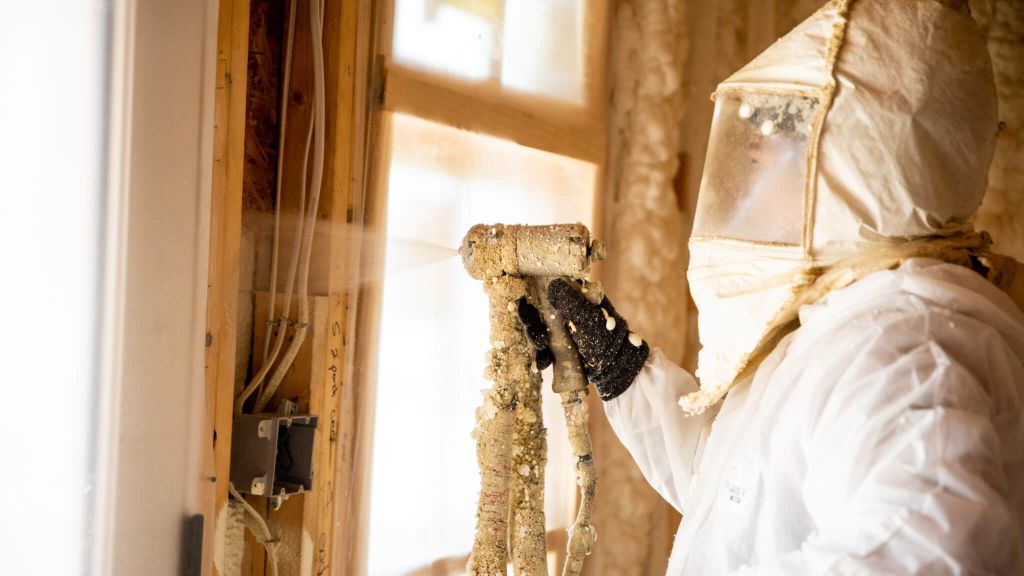
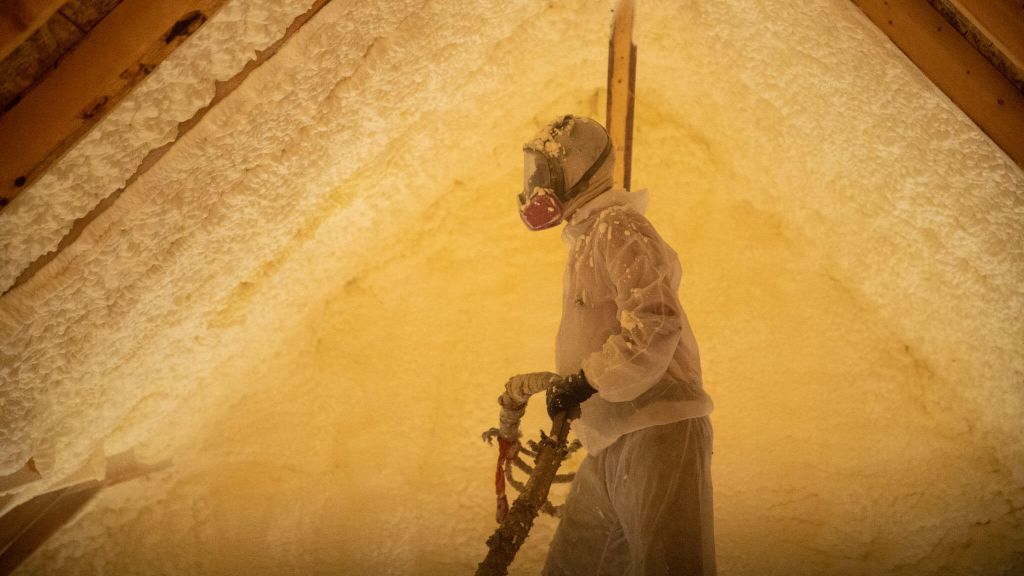
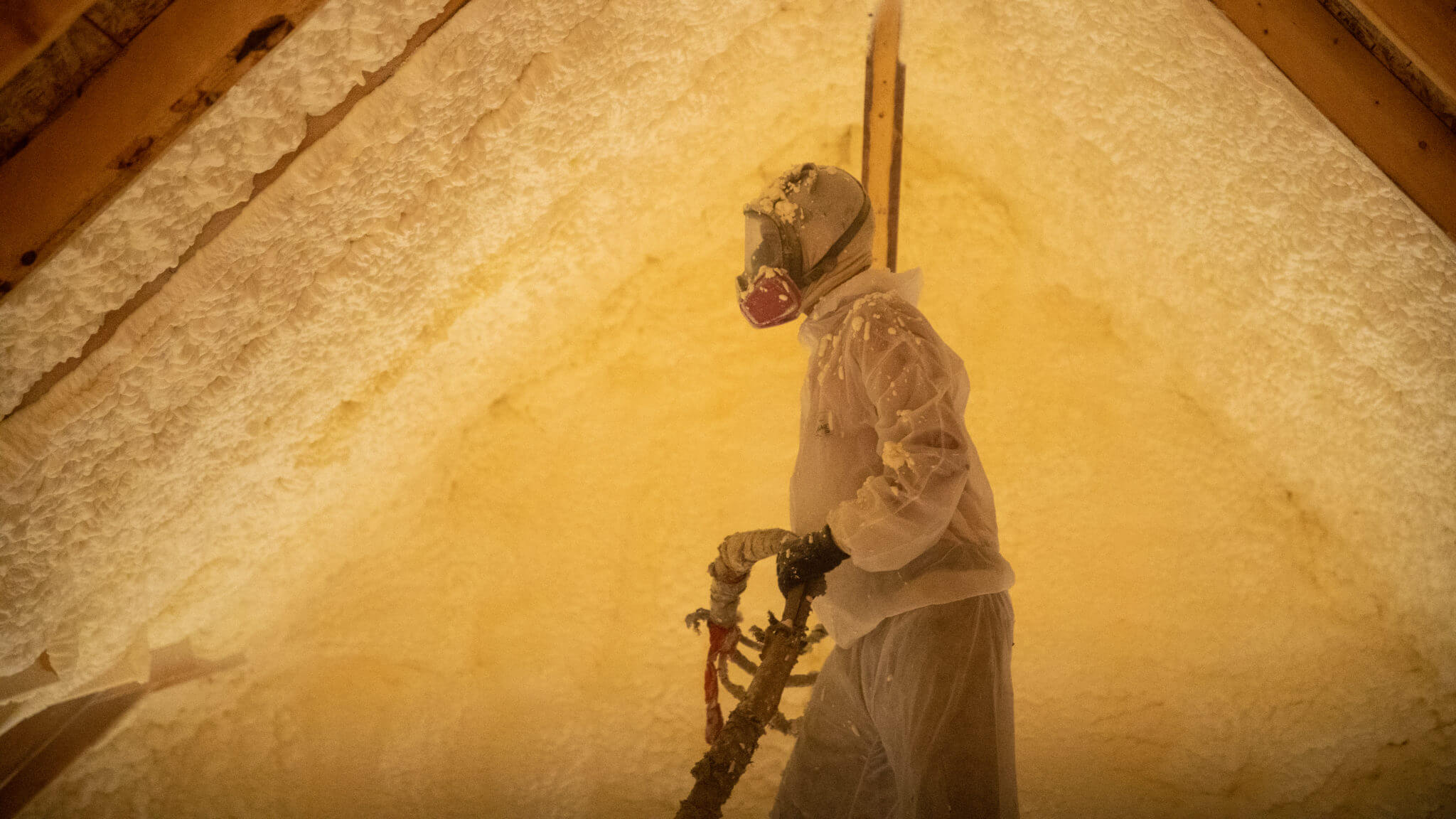
Using advanced spray technology, our foam fills every corner, creating a seamless, airtight barrier that maximises energy efficiency and reduces your heating and cooling costs. With a low density of just 8-10 kg/m3 and a soft, fluffy and elastic texture, this polyurethane solution is a smart choice for providing excellent insulation in your timber frame home.
Conclusion
Polyurethane open pore technology is an advanced and efficient insulation material suitable for both external and internal wall insulation. It provides excellent thermal and acoustic insulation, is resistant to moisture and is easily adaptable to a wide range of constructions. Although the initial investment may be higher, in the long term this material helps to significantly reduce energy costs and improve living comfort. Therefore, when considering wall insulation solutions, it is worth considering the advantages and possibilities of polyurethane open-cell foam.
How to insulate external and internal walls with open-cell polyurethane foam
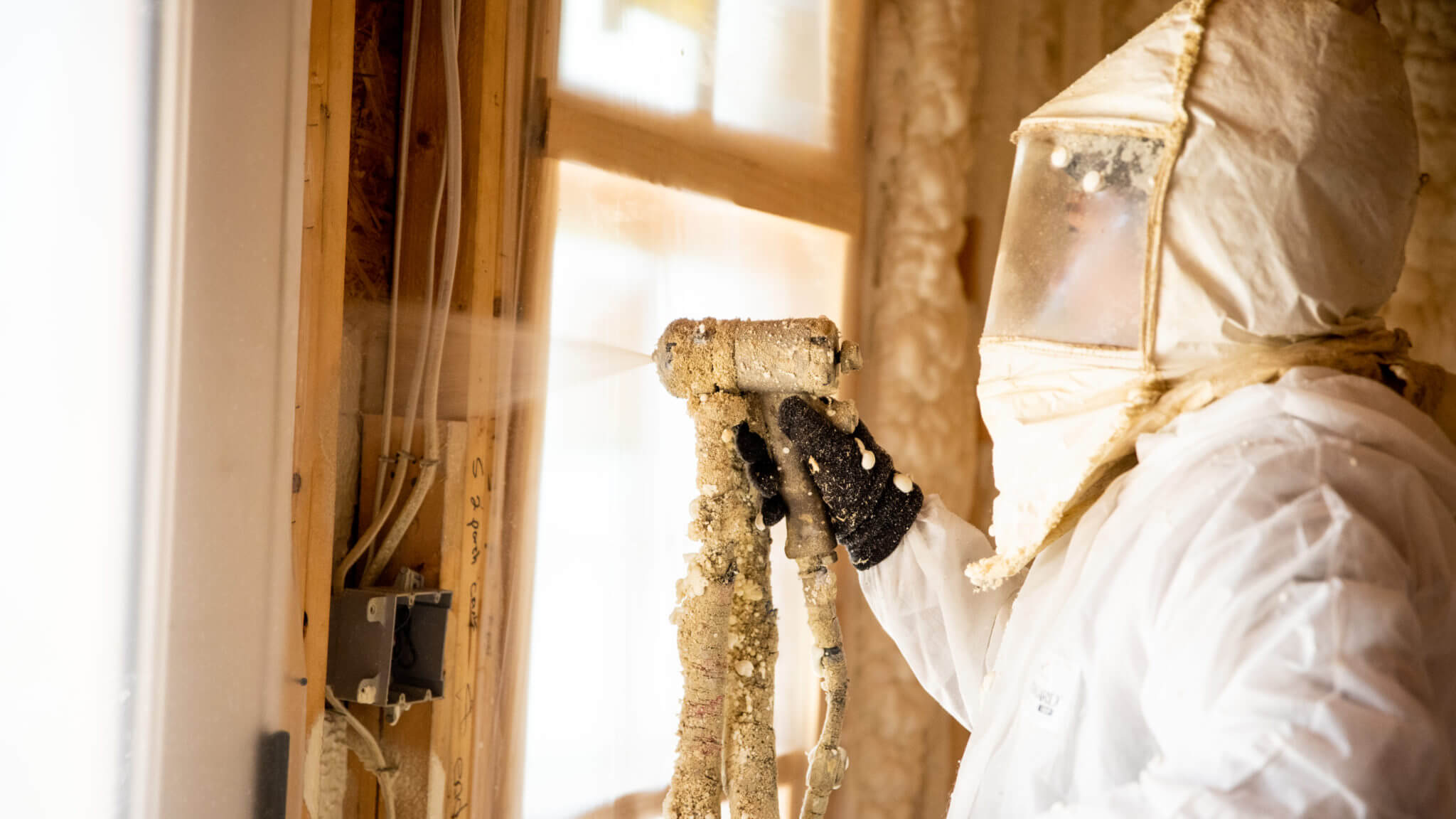
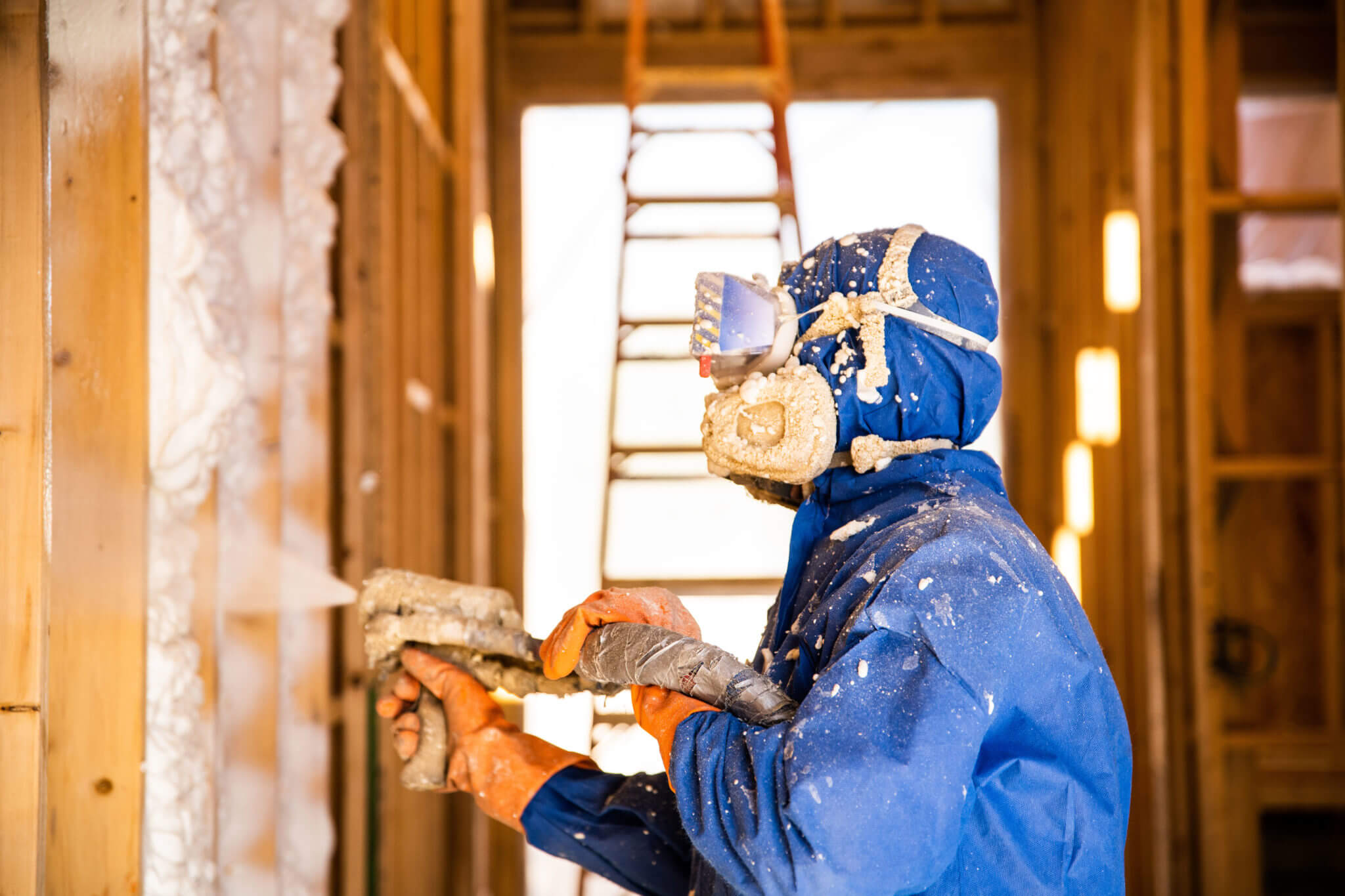
Photo gallery of interior and exterior open-cell foam insulation work