WALL INSULATION. EXTERNAL AND INTERNAL WALL HEATING CLOSED-PORE TECHNOLOGY. Closed-pore spray polyurethane foam is the versatile solution you have been looking for. Unlike open-cell foam, our closed-cell foam is designed to withstand the toughest conditions, from foundations to roof insulation.
Introduction
Insulation is an essential process for the energy efficiency and comfort of buildings. Properly insulated walls can reduce heat loss, lower energy costs and improve quality of life. One of the modern and efficient wall insulation technologies is closed-cell technology. In this article, we will discuss what it is, its advantages and disadvantages, and how it can be applied to both external and internal wall insulation.
What is Closed Pore Technology?
Closed Pore Technology is based on the use of insulation materials with closed pores. These pores are small and airtight, effectively trapping air and preventing heat from passing through the walls. The most commonly used materials are closed-pore polyurethane foam and polystyrene panels.
Advantages of closed-cell technology
- Moisture resistance: closed-pore materials are water- and moisture-resistant, preventing moisture from penetrating the walls and causing mould or other problems.
- High thermal insulation: Due to their closed pore structure, these materials have excellent thermal insulation properties. This allows to reduce heat loss and maintain a comfortable temperature inside the building.
- Durability: These materials are durable and resistant to environmental influences, allowing them to last for many years without significant loss of performance.
- Sound insulation: The closed-pore structure also helps to reduce sound transmission, so there is less noise from outside inside the building.
Disadvantages of Closed Pore Technology
- Cost: Closed-pore technology can be more expensive than traditional insulation materials, but the long-term benefits can compensate for the initial cost.
- Complex installation: special equipment and experienced technicians are needed to ensure a quality installation.
External wall insulation with closed-pore technology
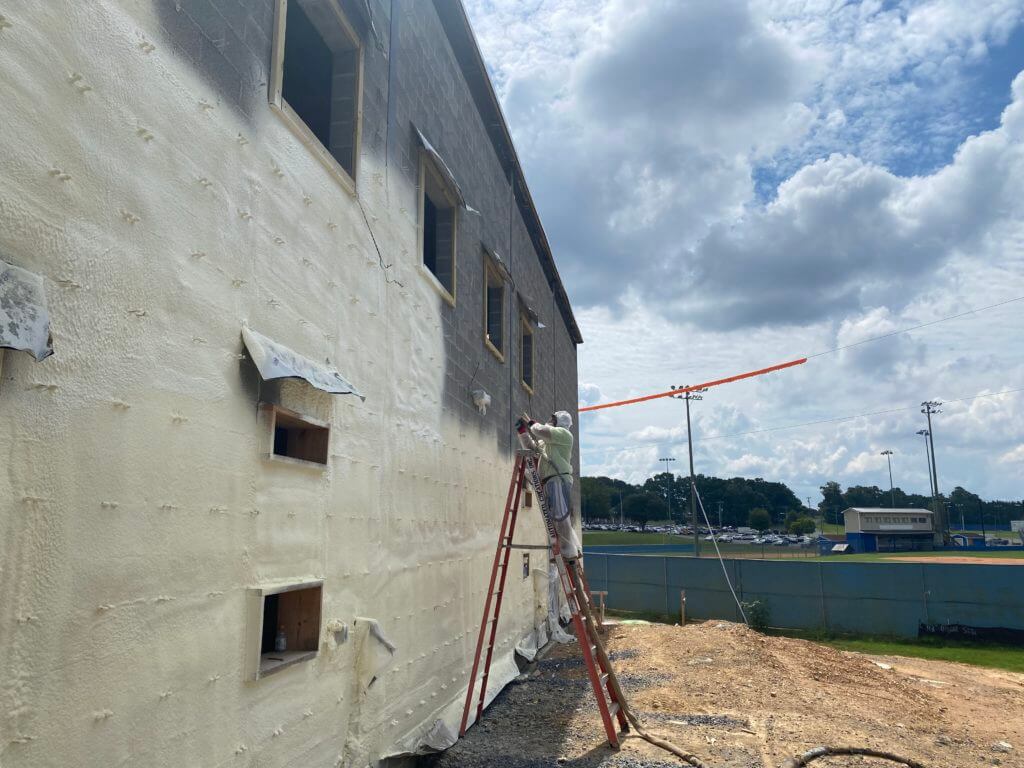
External wall insulation is one of the most effective ways to protect a building from heat loss. The use of closed-pore materials can create a strong and durable protective layer around the entire building.
The process:
Wall preparation: The first step is to prepare the walls by removing old finishes and ensuring that the surface is smooth and clean. Installation of insulation panels: Closed-pore polystyrene panels or spray polyurethane foam are fixed to the walls. Application of a protective layer: A protective layer, such as plaster or other finishing materials, is applied over the insulation.
Internal wall insulation with closed pore technology
Internal wall insulation is useful when external insulation is not possible due to architectural or other constraints. Closed-pore technology can also be effectively applied to internal walls.
Process:
- Surface preparation: Internal walls are prepared, ensuring that they are clean and smooth.
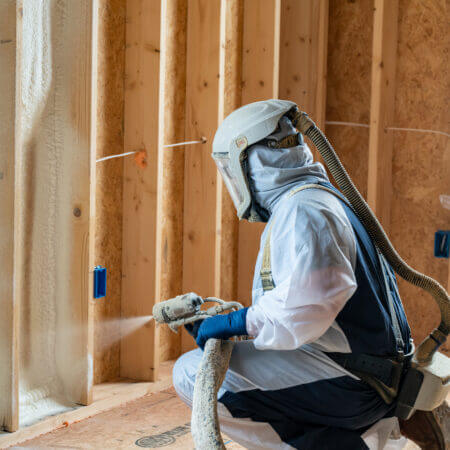
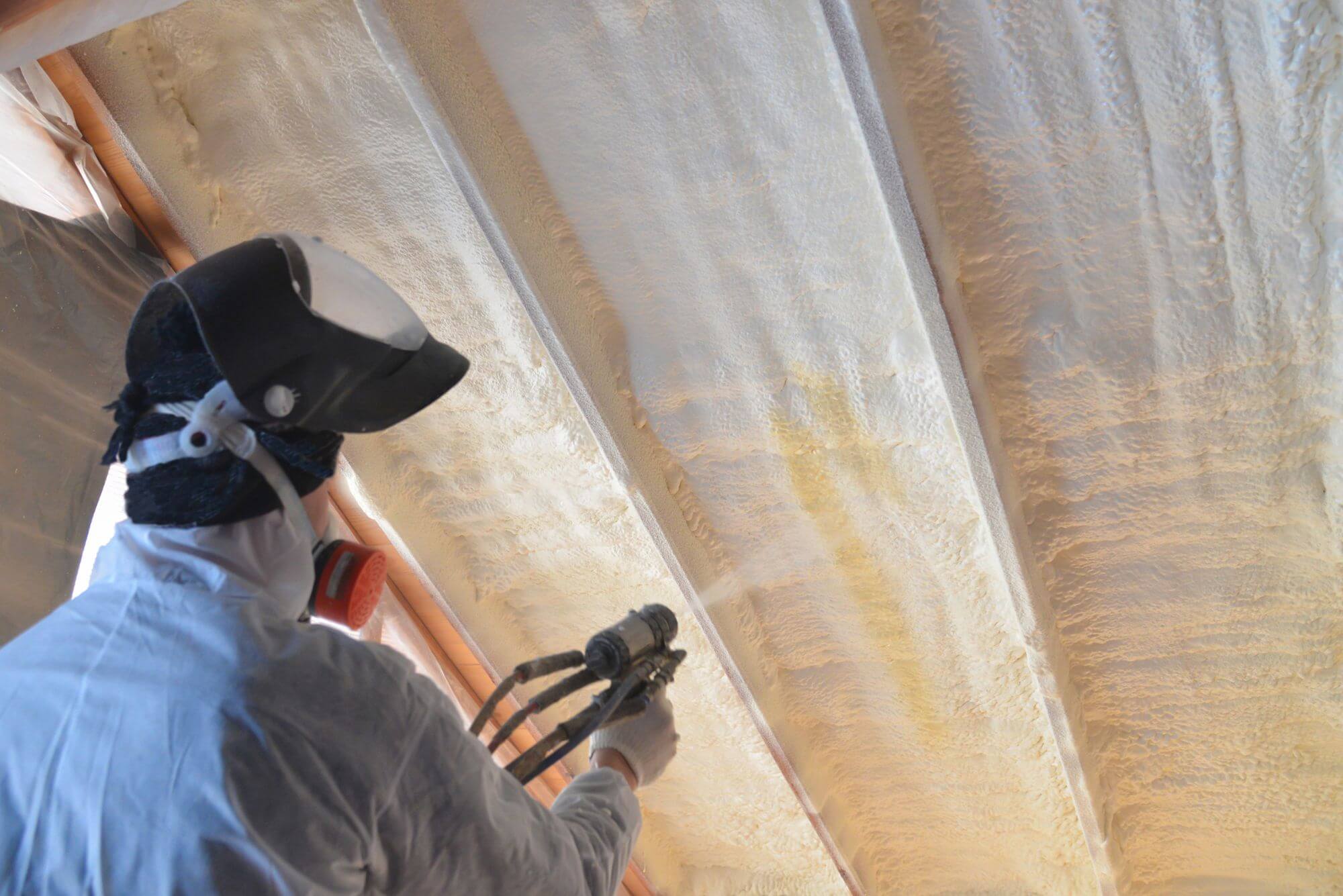
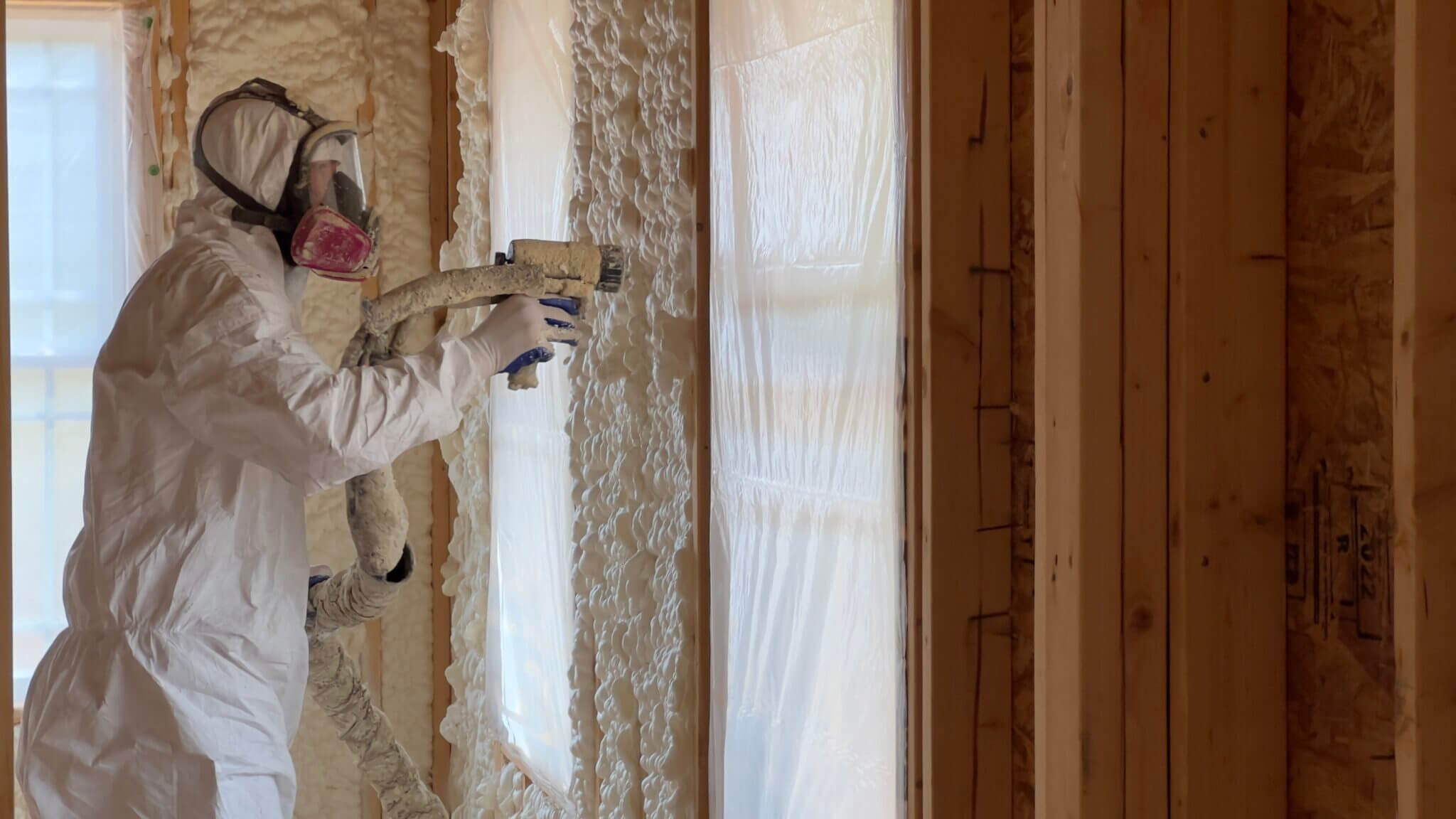
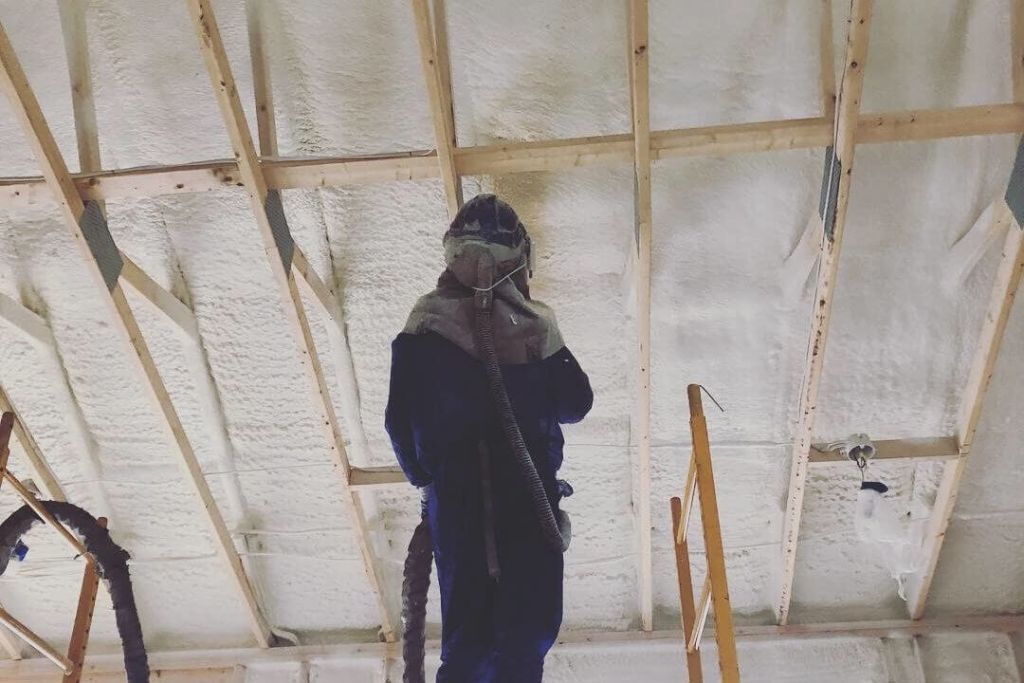
- Installation of insulation: closed-cell polyurethane foam can be sprayed directly onto the wall, ensuring even coverage and good thermal insulation.
- Finishing: Plasterboard or other finishing materials shall be applied on top of the insulation layer to give an aesthetic appearance.
Conclusions
Closed-pore technology is a modern and efficient way to insulate both external and internal walls. Despite the higher initial investment, the long-term benefits such as improved thermal and acoustic insulation, moisture resistance and durability make this technology a worthwhile investment. The key is to choose the right qualified professionals and to ensure a quality installation to achieve the best results.
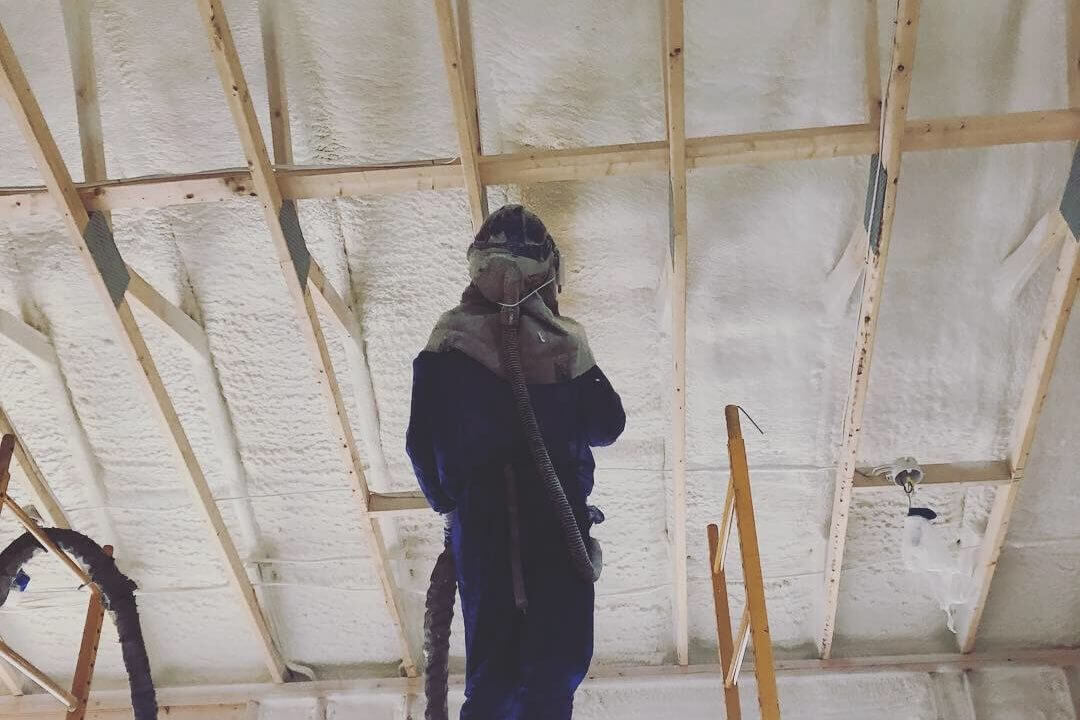
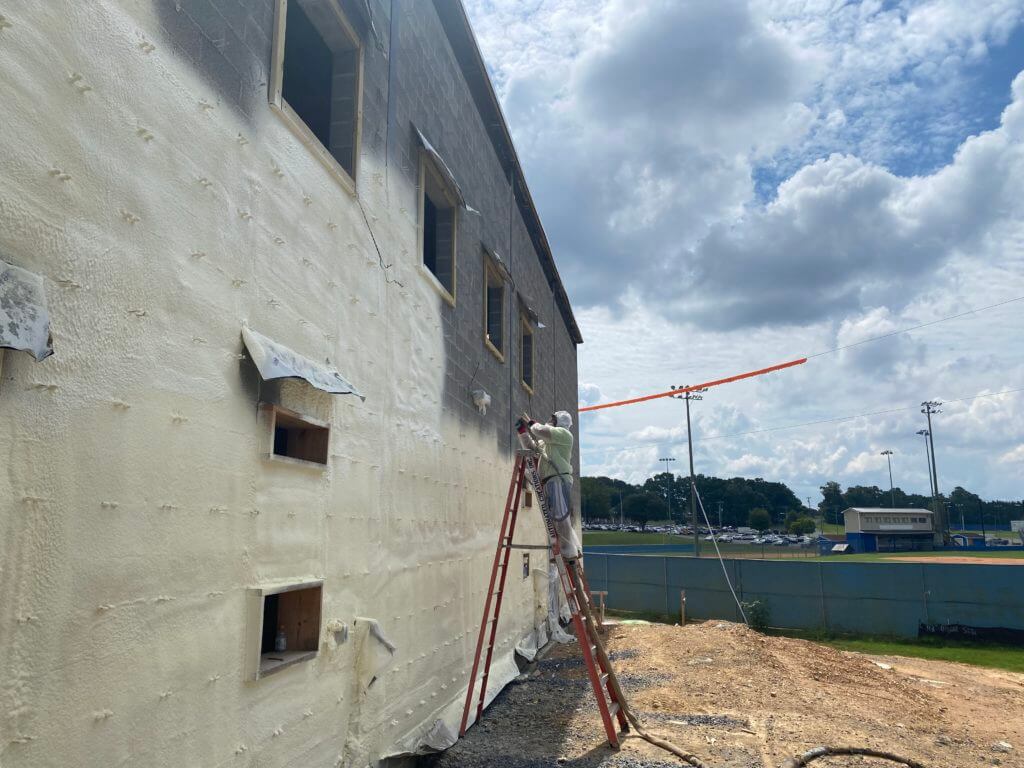
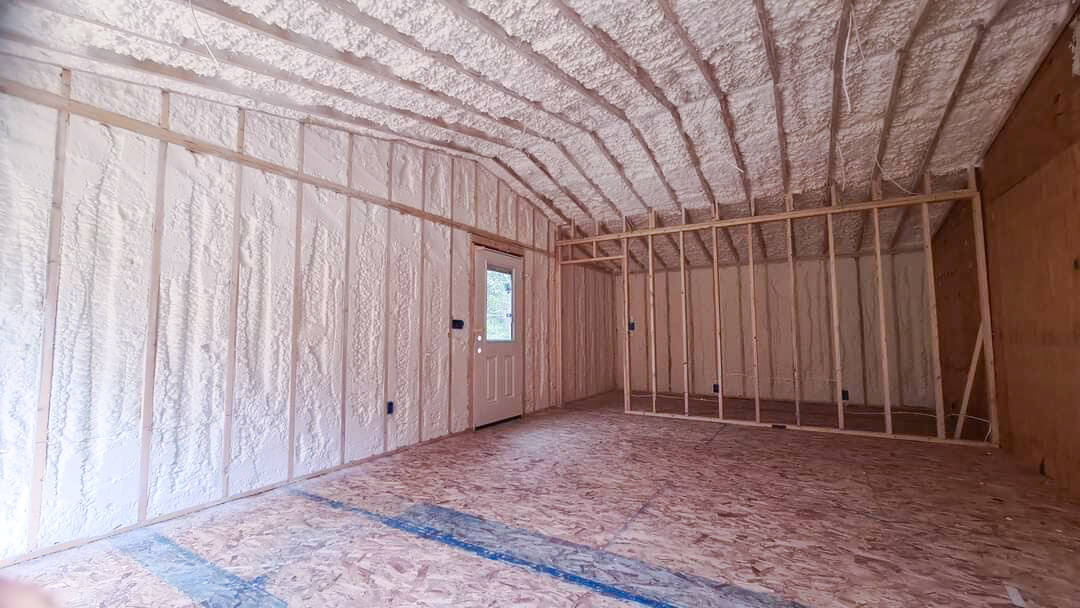
How to insulate external and internal walls with closed-cell polyurethane foam
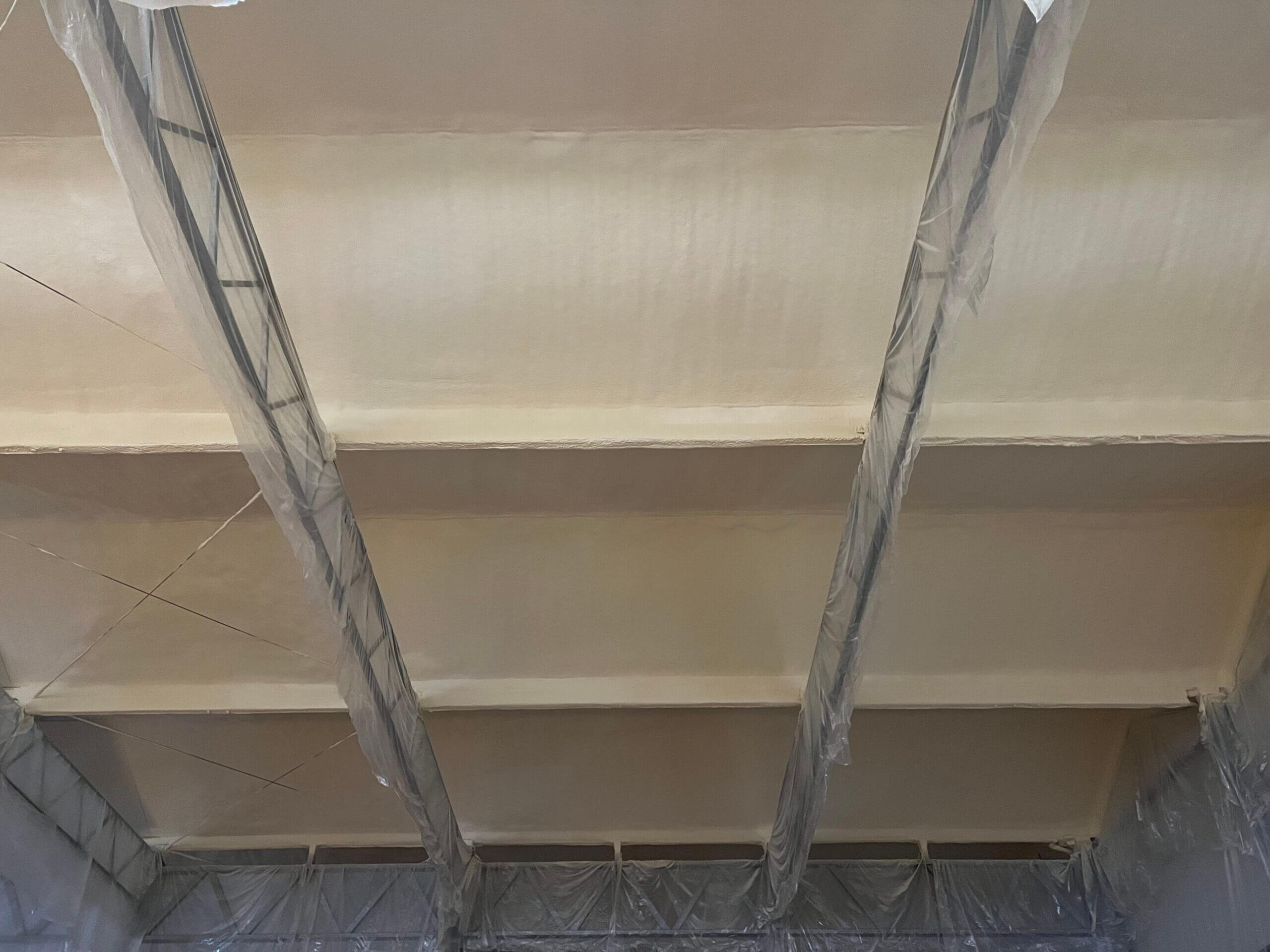
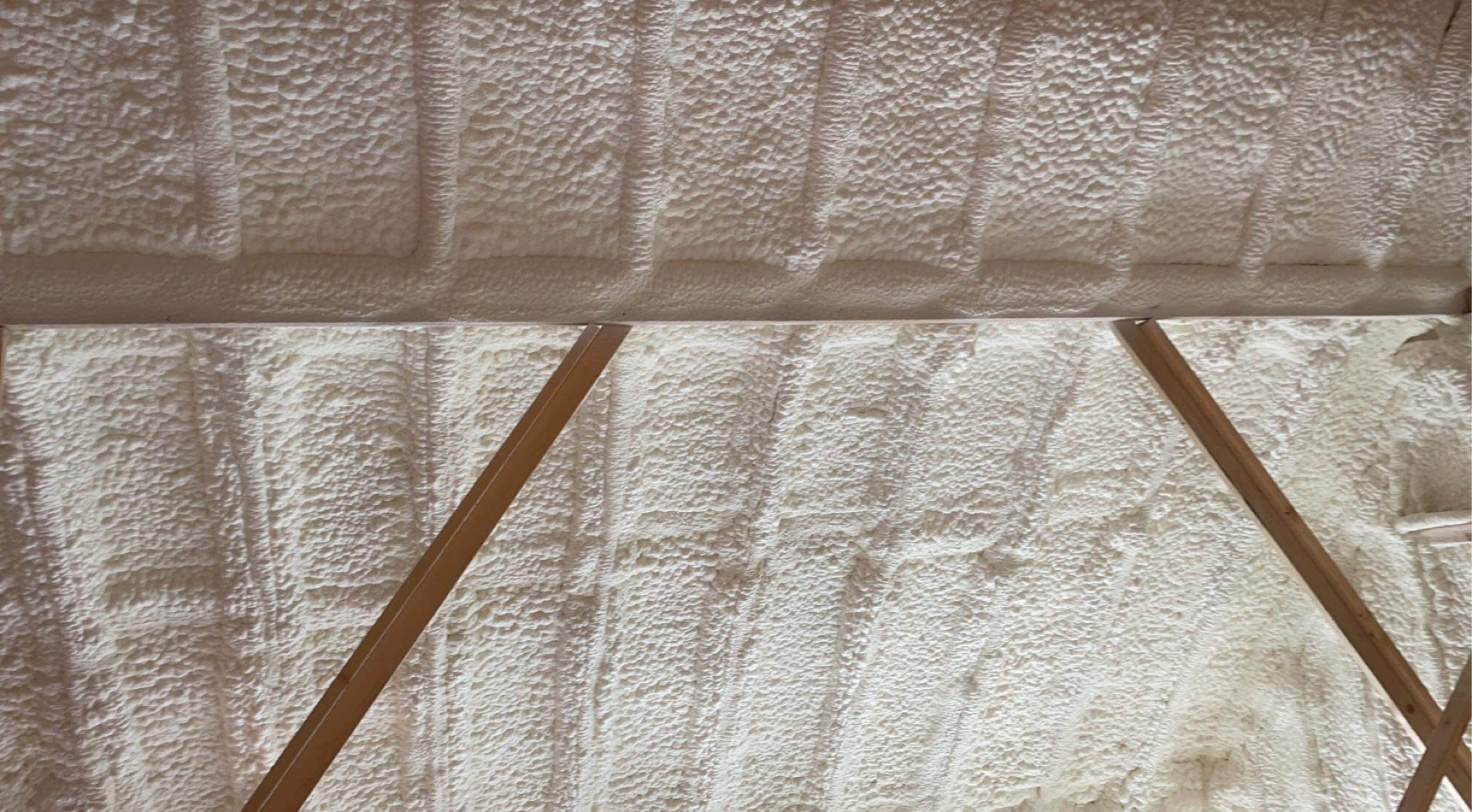
Photo gallery with completed work on insulation of internal and external walls with closed-cell foam