NON-STANDARD OBJECTS. HEATING NON-STANDARD OBJECTS WITH POLYURETHANE CLOSED-PORE TECHNOLOGY. In recent years, increasing attention has been paid to the efficient insulation of buildings and other constructions. One of the most modern and efficient methods of insulation is polyurethane closed pore technology. This technology is particularly suitable for non-standard objects whose shape, size or construction challenges traditional insulation methods. In this article, we will discuss why polyurethane closed-cell technology is an excellent choice for insulating non-standard buildings and what are its main advantages.
What is polyurethane closed-cell technology?
Polyurethane closed-cell insulation technology is based on a special foam that expands and hardens to form a strong and seamless thermal insulation layer. The closed-pore structure ensures minimal air permeability, which is key to achieving maximum thermal insulation performance. This technology is widely used in both residential and commercial building insulation, but is particularly useful in non-standard buildings.
Advantages of non-standard insulation
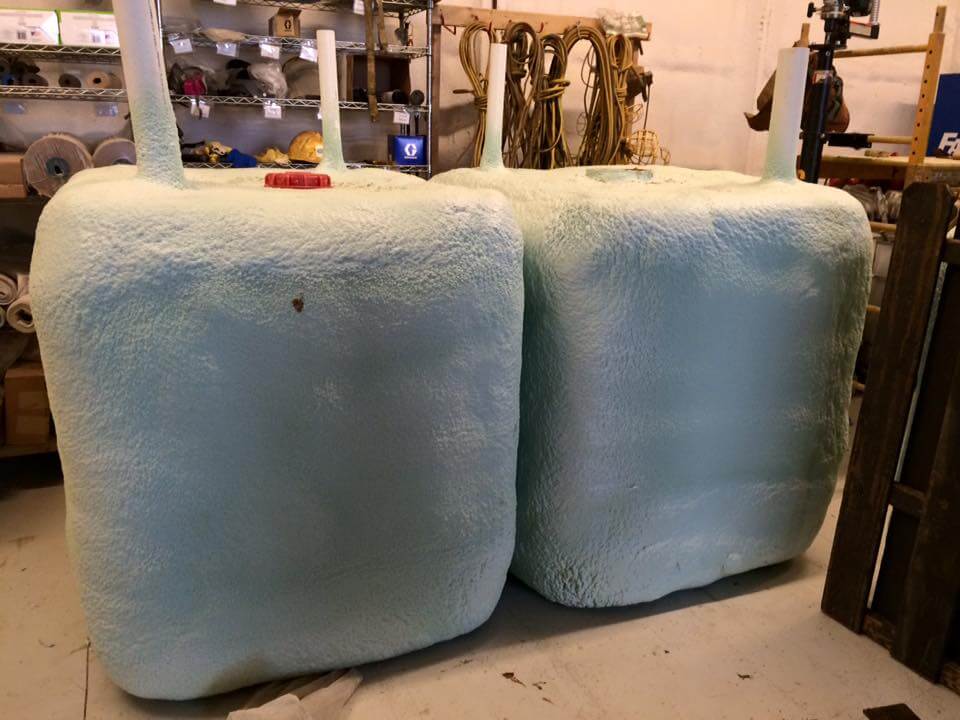
- Flexibility and adaptability to shapes: Polyurethane foams can be easily adapted to any shape and size of surface. This is particularly important when insulating objects with complex geometries, such as domes, arched roofs, tanks or even hulls. As the foam expands, it fills all cavities and cracks, providing a seamless layer of insulation.
- Efficiency: closed-cell polyurethane foam has an extremely low thermal conductivity, providing excellent thermal insulation even in thin layers. This reduces the amount of insulation material and thus the overall cost of the insulation work.
- Moisture and chemical resistance: Polyurethane foam is resistant to moisture, making it ideal for properties that are exposed to high humidity or direct exposure to water. It is also resistant to a wide range of chemicals, which increases its usability in industrial applications.
- Durability and reliability: This technology ensures a long service life without the need for constant repairs. The polyurethane foam does not shrink, deform or lose its properties over a long period of time, so that the investment in this insulation technology pays off in the long term.
- Polyurethane foam is quick and easy to install: Insulation work can be carried out in a short time, as there is no need to wait for the material to cure or go through other technological processes. This allows projects to be completed quickly and reduces the cost of work.
Conclusions
Polyurethane closed-cell technology is one of the most modern and efficient ways to insulate non-standard buildings. Its flexibility, excellent insulation properties, moisture resistance and durability make it indispensable for the insulation of residential, commercial and industrial buildings. Polyurethane closed-cell insulation solutions not only achieve high energy efficiency but also provide long-term protection against a wide range of external influences.
How to insulate non-standard buildings with closed-cell polyurethane foam
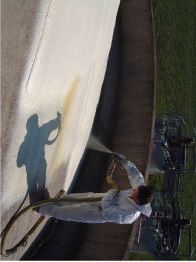
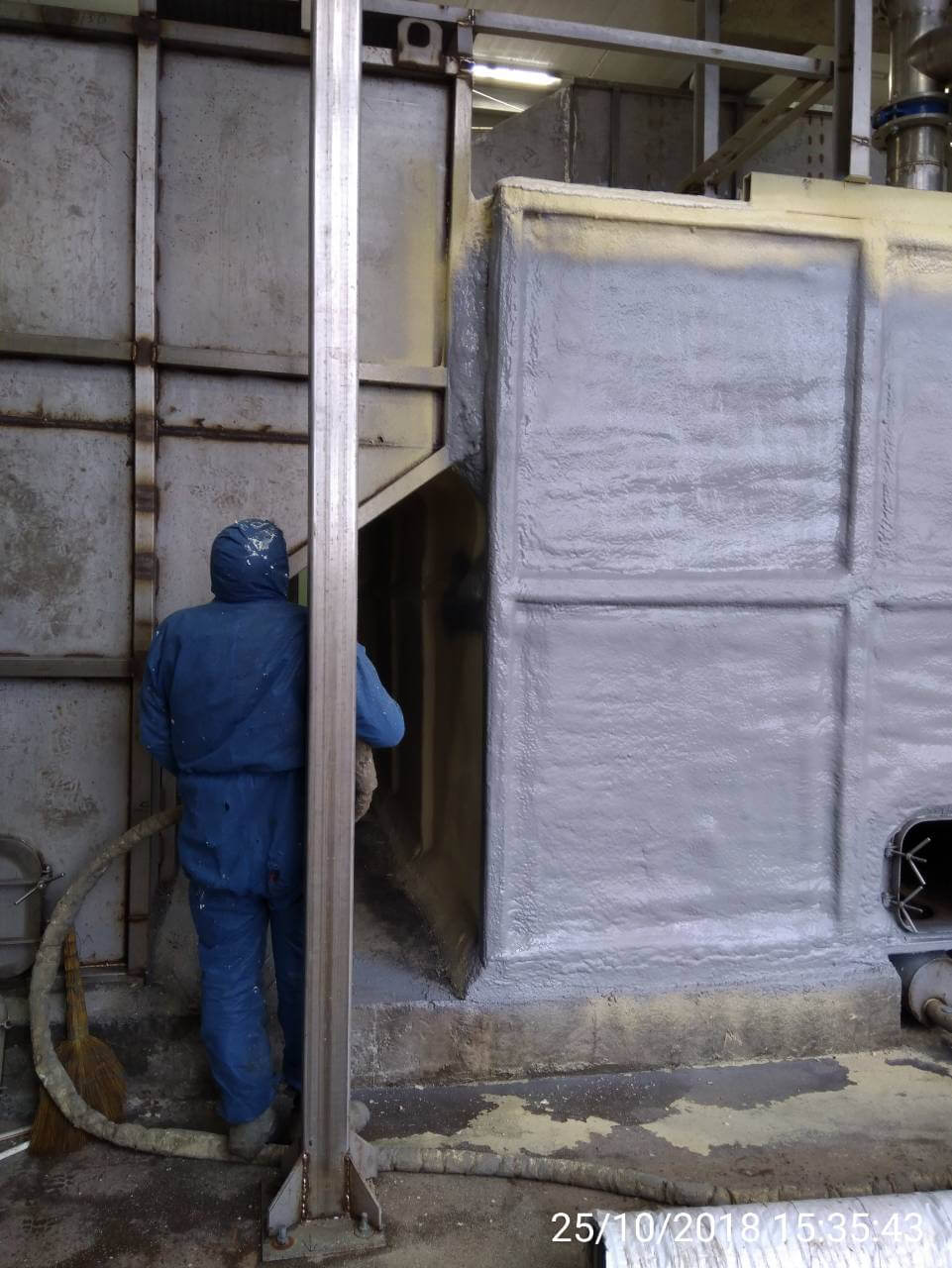
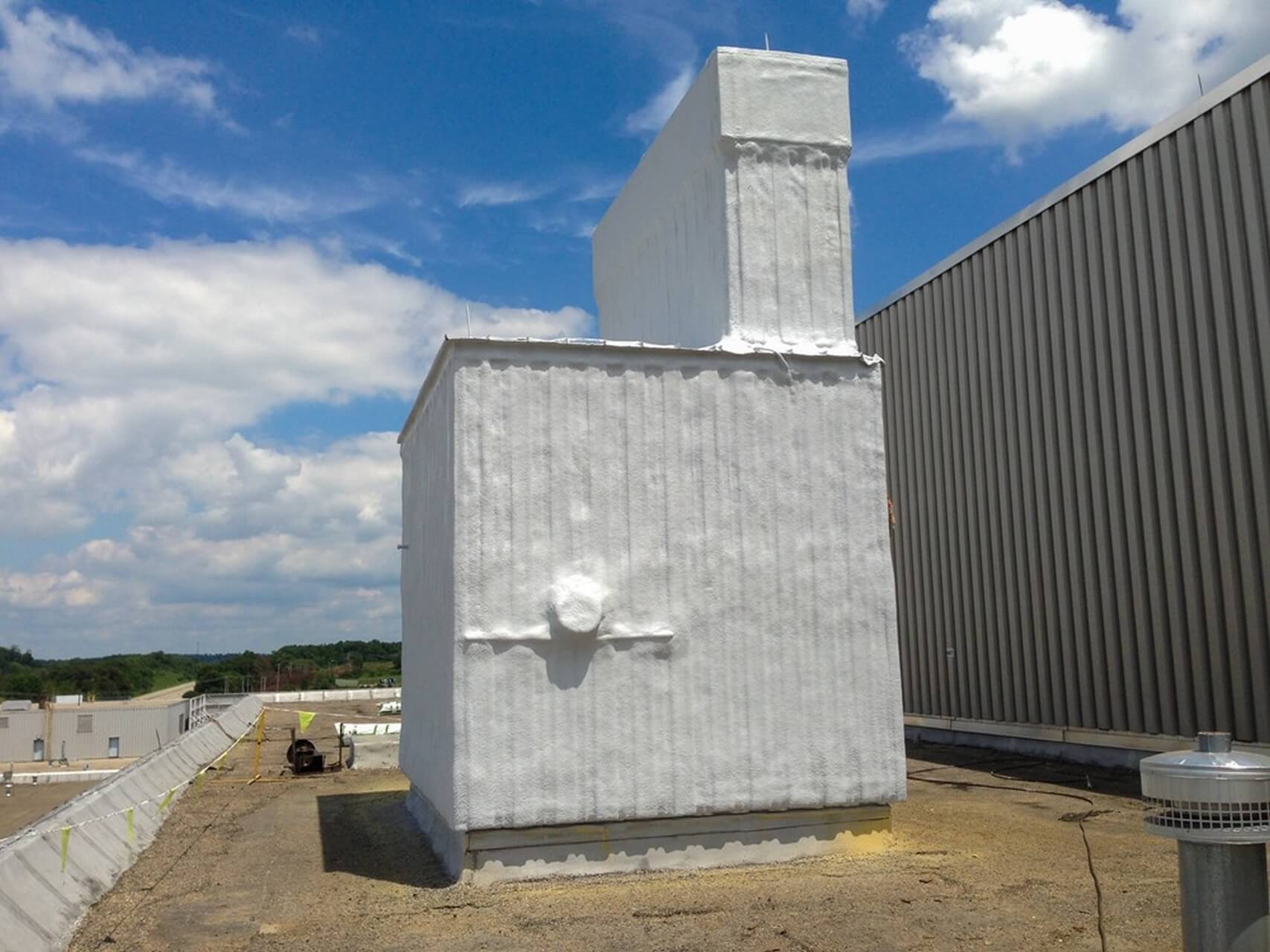
Photo gallery with closed-pore foam insulation works of non-standard objects