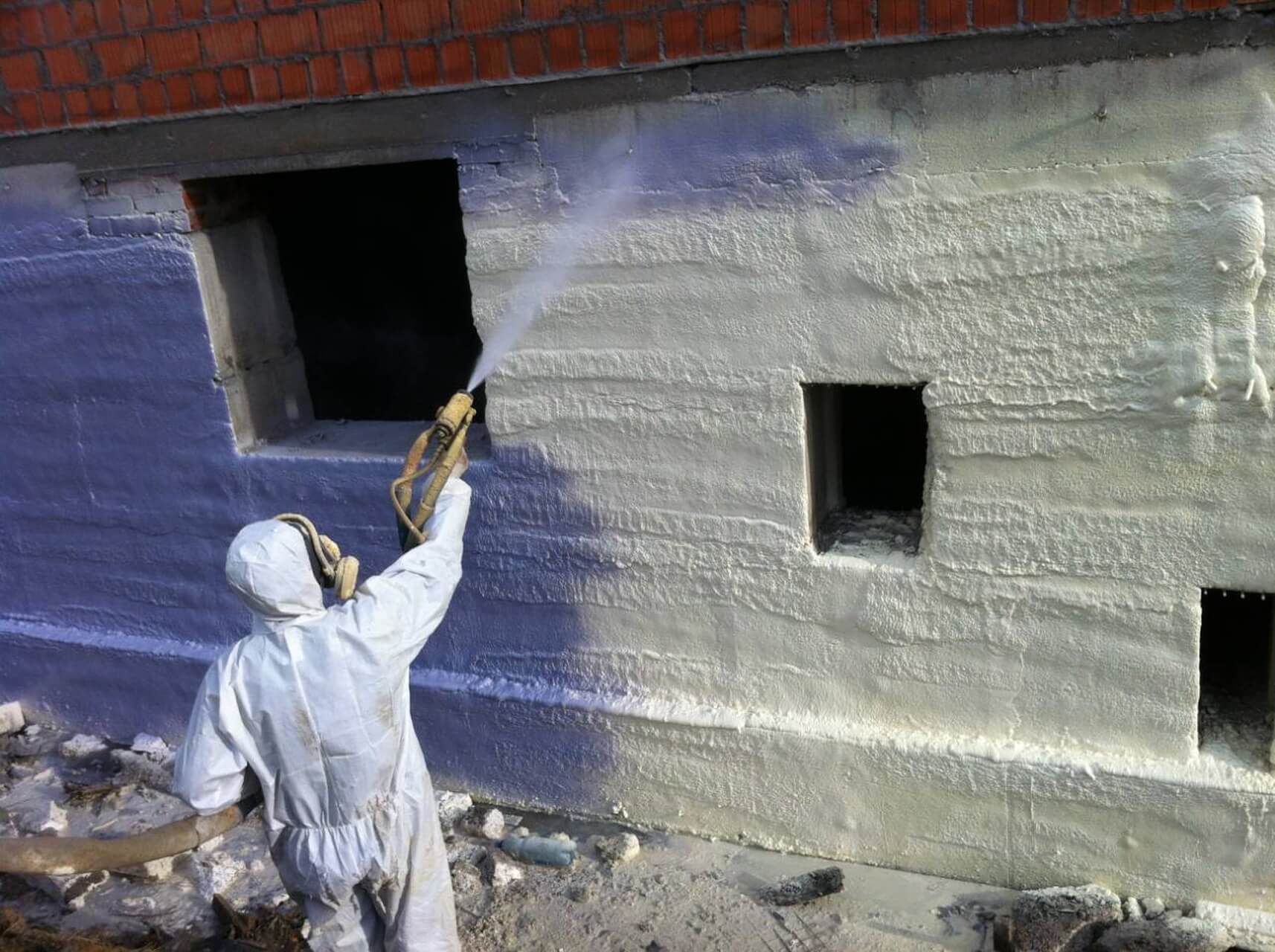
FLOOR INSULATION. FLOOR HEATING WITH POLYURETHANE CLOSED-PORE TECHNOLOGY. Energy efficiency in buildings is becoming increasingly important, both in the construction of new houses and in the renovation of old ones. One way to achieve this is through efficient floor and foundation insulation. Polyurethane closed pore technology is one of the most advanced and efficient solutions in this field. In this article we will discuss what it is, how it works and why it is worth choosing this technology.
Advantages of polyurethane closed pores
- Excellent thermal insulation: polyurethane closed-cell foam has a very high thermal resistance (R-value). This means that they trap heat efficiently, providing lower heating and cooling costs.
- Airtightness: Thanks to its closed pore structure, polyurethane foam forms a tight barrier that prevents air and moisture from passing through. This helps to prevent heat loss and mould growth.
- Water resistance: Polyurethane foam is moisture-resistant, making it ideal for use in foundations and floors where moisture can accumulate.
- Fast installation: Polyurethane foam cures quickly and can be used in all weather conditions, so insulation work can be done quickly and efficiently.
- Durability: When properly installed, polyurethane foam can last for decades without shrinking, delaminating or losing its insulating properties.
How do I insulate floors and foundations with polyurethane foam?
- Surface preparation: First of all, the surface must be clean and dry. Any dust, dirt or oils must be removed so that the foam adheres well to the substrate.
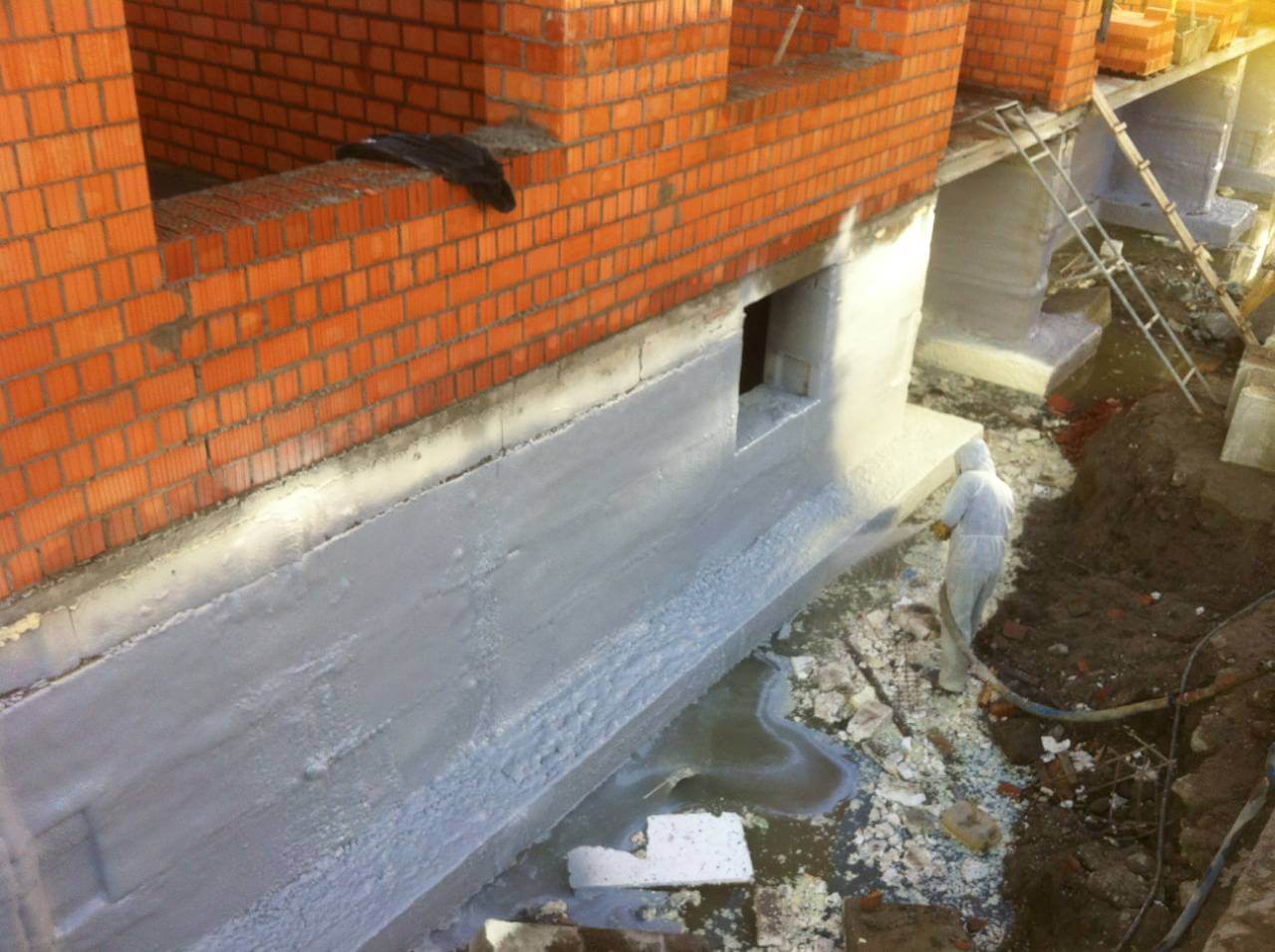
- Spraying the foam: The polyurethane foam is sprayed directly onto the surface using special equipment. The foam expands rapidly and fills all cracks and gaps.
- Curing: The foam cures in just a few minutes, forming a strong and seamless insulation layer.
- Finishing: Once the foam has cured, the surface can be coated with any desired finish – tiles, flooring or other materials.
Conclusion
Insulating floors and foundations with polyurethane closed-cell technology is an excellent choice for those seeking high energy efficiency and durability. This technology not only provides excellent thermal insulation, but also prevents moisture and air permeability. If you are looking for a reliable and efficient solution for insulating your home, polyurethane foam may be just what you need.
Insulating foundations with polyurethane foam
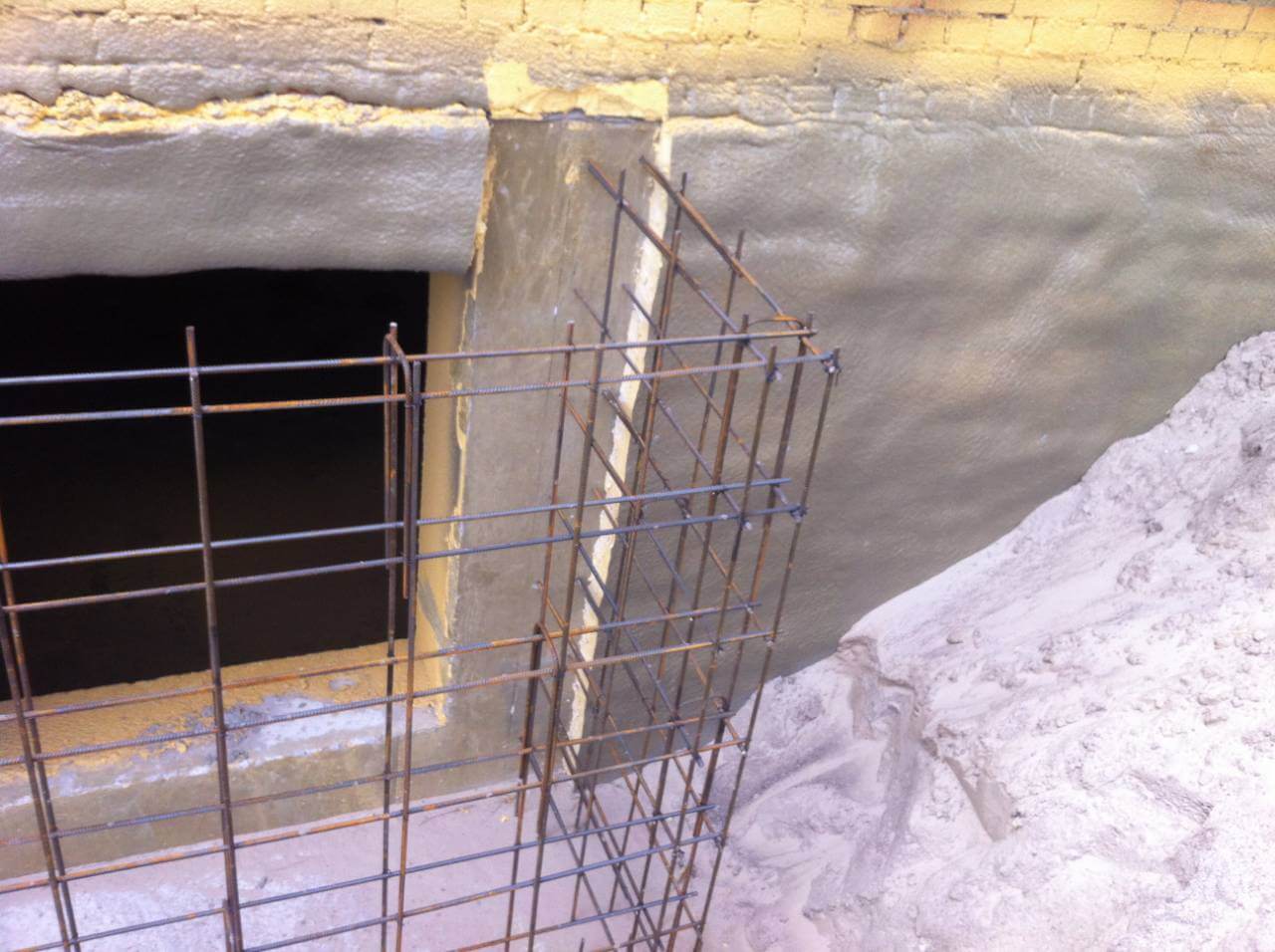
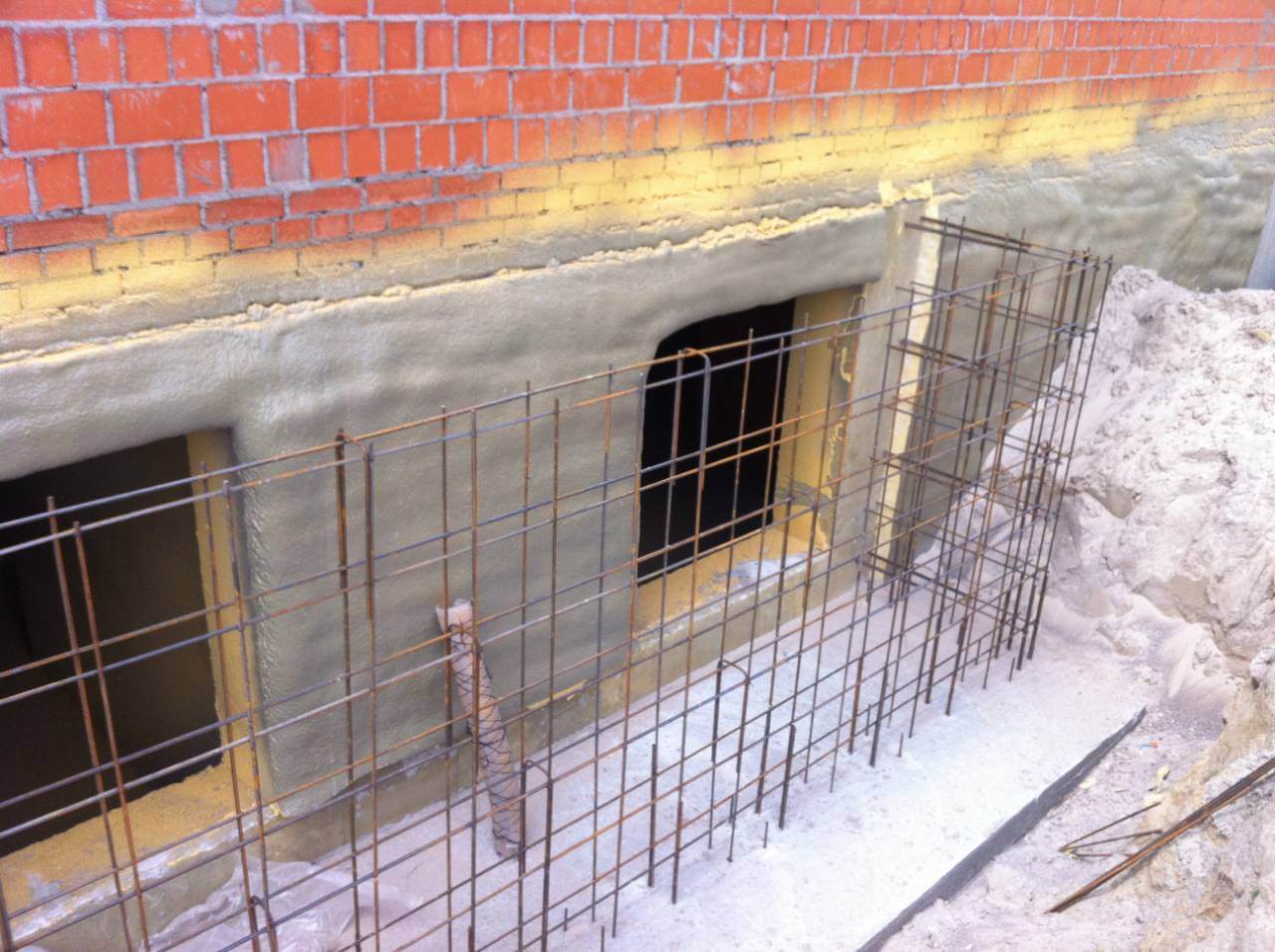
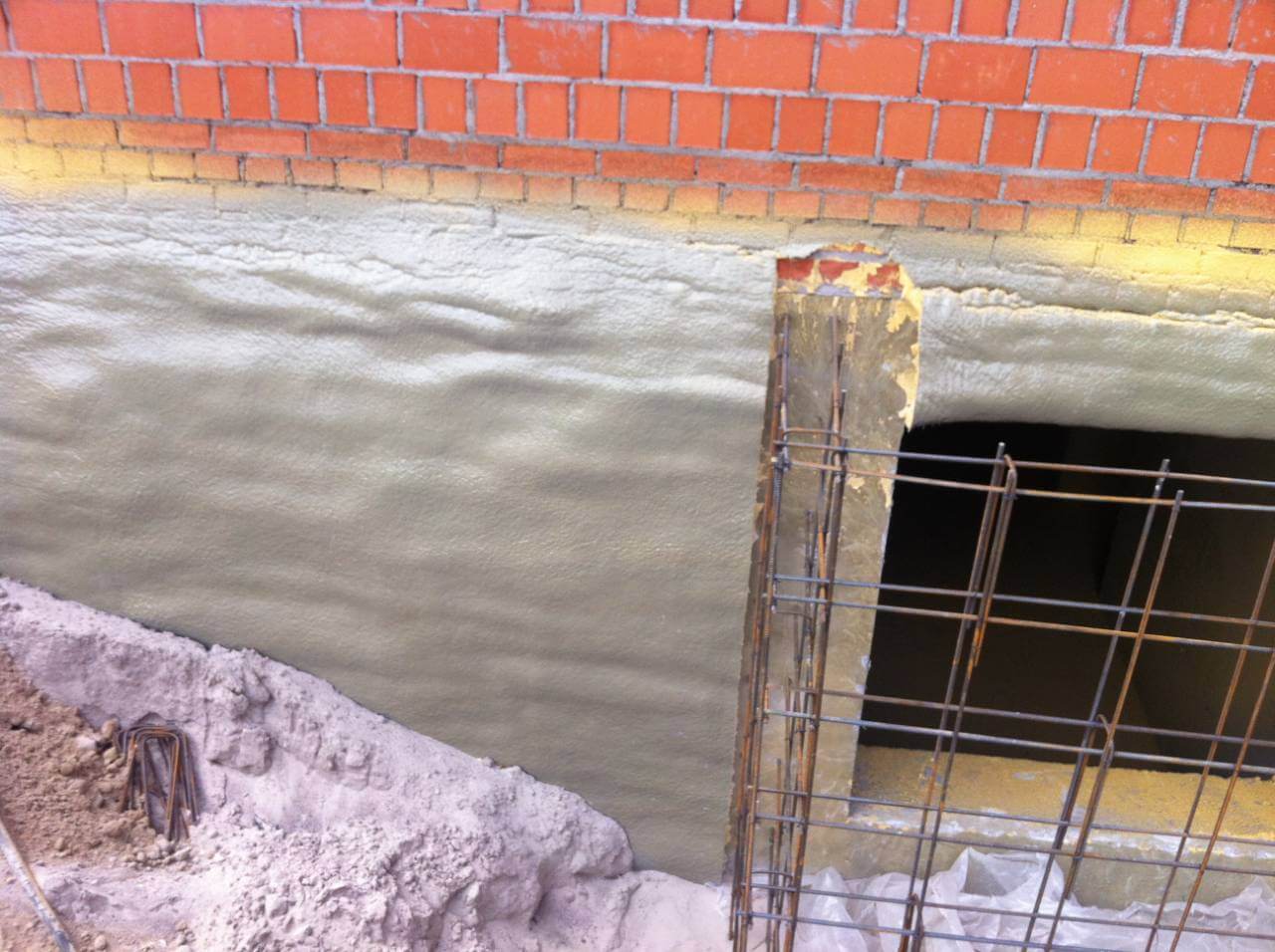
FOUNDATION INSULATION, FOUNDATION INSULATION WITH CLOSED-CELL FOAM. Closed-cell polyurethane foam is used for the insulation of foundations. Its low long-term water absorption coefficient (up to 5%) and its ability to cover even uneven foundations make it ideal for the insulation of foundations.
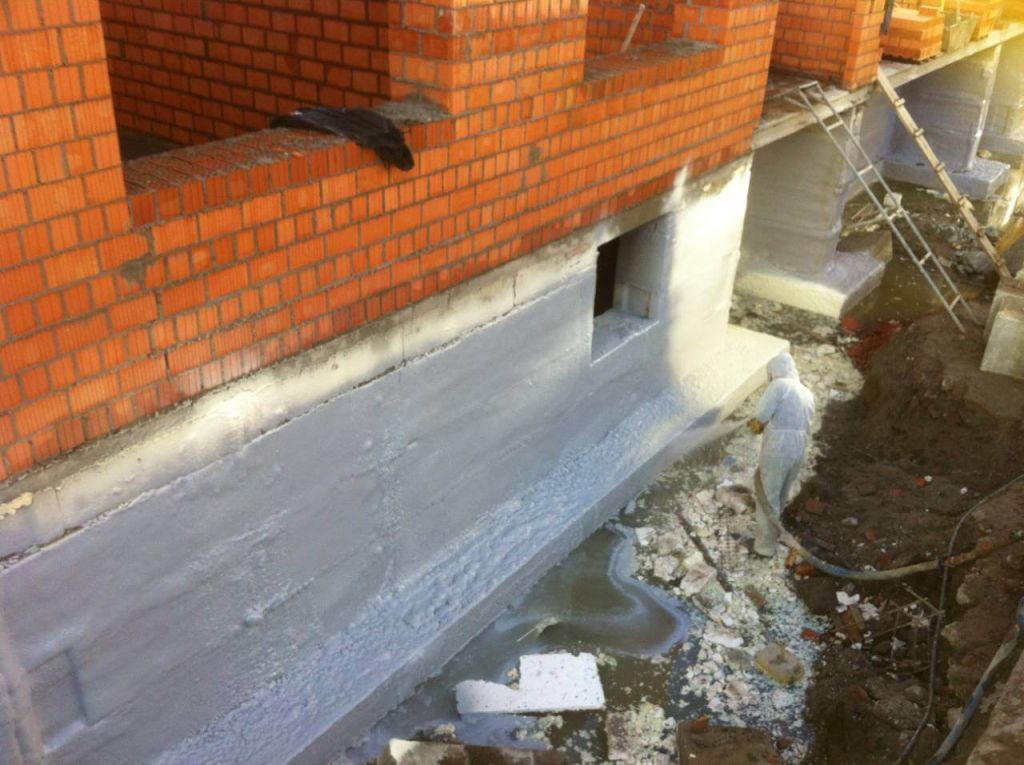
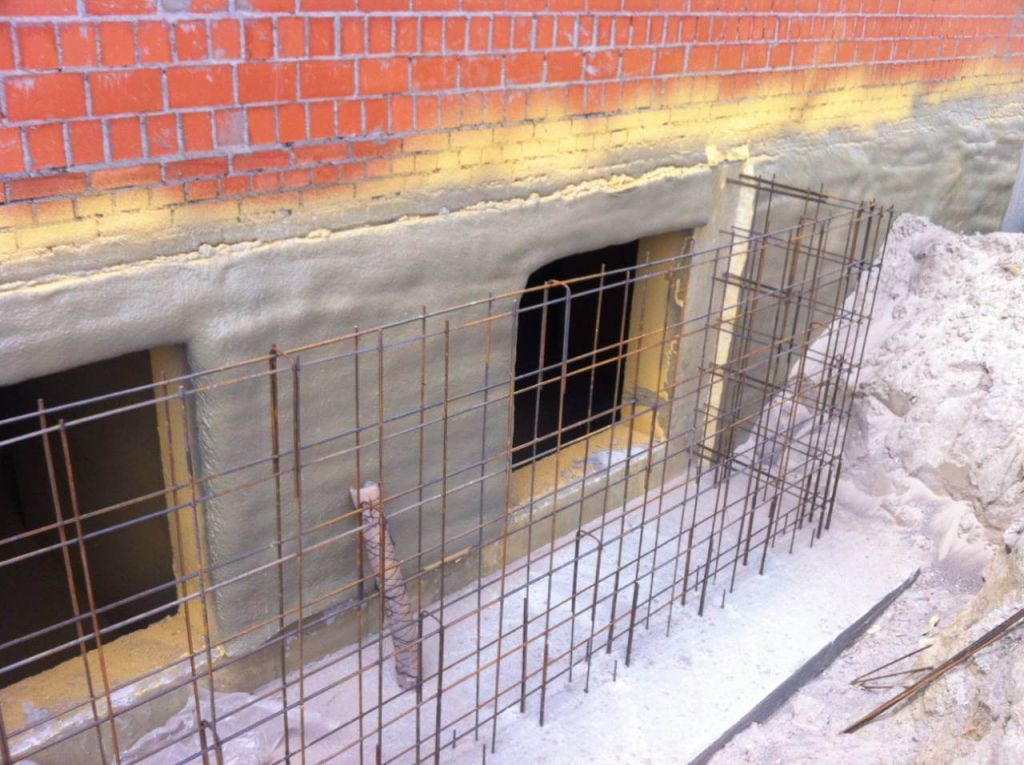
When it comes to protecting a building’s foundations, thermal resistance is not the only important factor. While heat loss through foundations can account for up to 15% of a building’s total energy consumption, the material’s resistance to moisture and environmental factors is equally important. Closed-cell polyurethane foam insulation is the perfect solution, providing excellent thermal resistance while serving as a reliable barrier to moisture, water vapour and other environmental hazards. Unlike other insulation materials, polyurethane foam is unaffected by moisture, so that the foundation remains intact and the building is protected for many years. By investing in high-quality polyurethane foam insulation, you will not only protect the structural integrity of your property, but also save time and money that would otherwise be spent on continuous waterproofing and repairs. It’s a win-win situation that ensures the long-term performance and protection of your building’s foundations.
How to insulate floors and foundations with closed-cell polyurethane foam
Photo gallery of foundation and floor insulation works with closed-cell foam