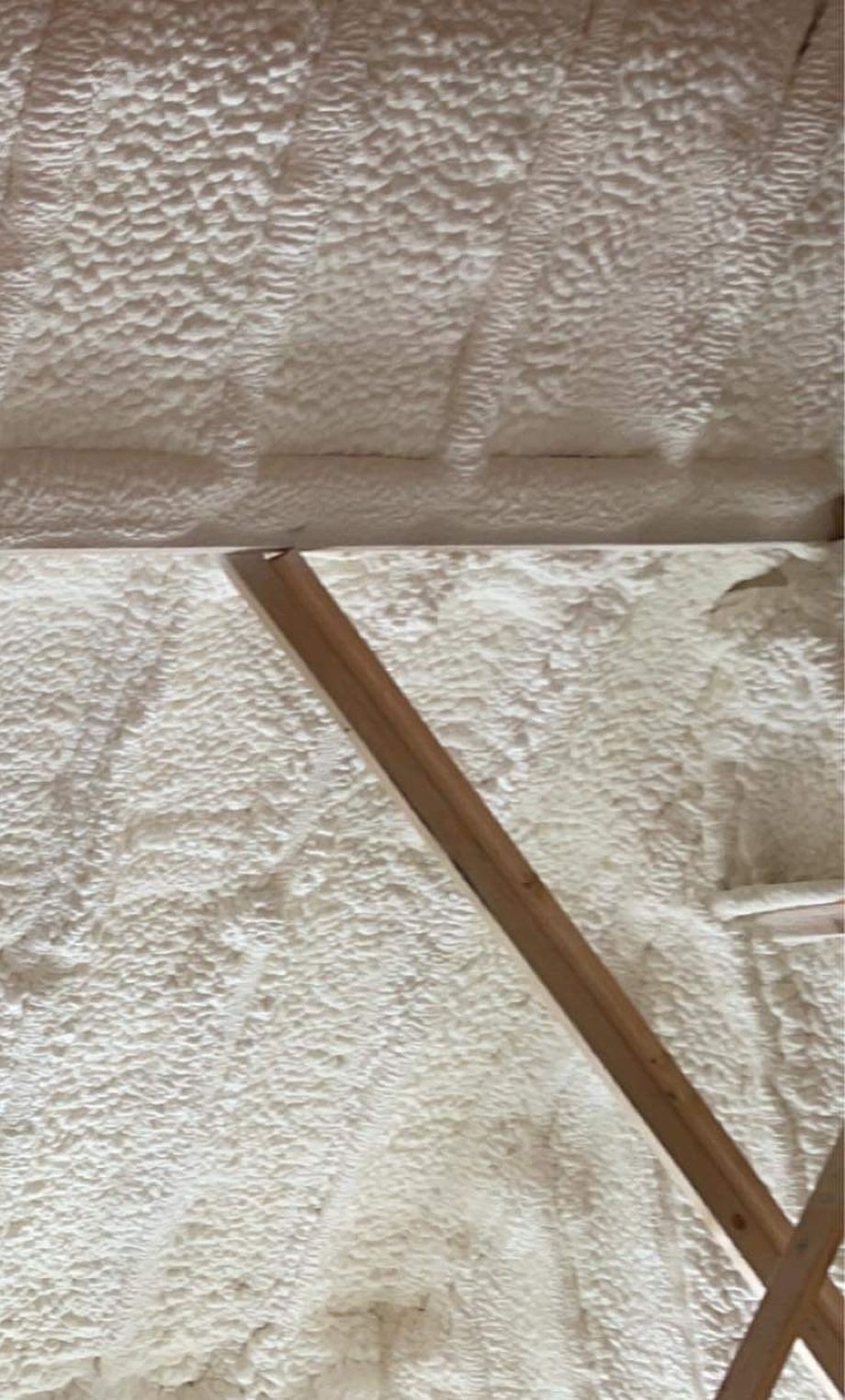
What are the uses of polyurethane foam?
Polyurethane foams are used in many applications due to their wide range of applications and beneficial properties. Here are some of the main applications of polyurethane foam:
- Construction: Polyurethane foam is used in the construction industry as an insulating material for thermal and acoustic insulation of buildings, houses, garages, basements and other structures. It can be used on walls, ceilings, floors and other surfaces.
- Transport: Polyurethane foams are widely used in vehicles such as cars, trains, boats and planes. They can be used as an insulating material as well as a sealant between coatings and windows.
- Industry: Polyurethane foams are used in the industrial sector for a wide range of applications including insulation, sealing, filling and sound absorption. They can be used to manufacture and repair a wide range of plant and equipment.
- Technologies: Polyurethane foams can be used in a variety of technological applications such as the electronics, electrical and communications sectors as an insulating or sealing material. These are just a few of the applications for polyurethane foam, which can have a wide range of applications depending on specific needs and conditions.
How to use polyurethane foam correctly?
Polyurethane foams are used in a wide range of applications as insulation, filling or sealing materials. In order to use polyurethane foam correctly, it is important to follow certain guidelines and safety rules: Here are some tips:
- Read the manufacturer’s instructions: Read the manufacturer’s instructions before using polyurethane foam. These instructions describe proper application methods, safety precautions and recommendations.
- Prepare the surface well: Before spraying, the surface on which the foam is to be applied must be cleaned of dirt, dust and grease. A well-prepared surface will improve the adhesion of the foam and the final result.
- Conditions of use: Ensure that the air and surface temperature and humidity are suitable as specified in the manufacturer’s instructions. Improper conditions may affect the adhesion of the foam and its properties.
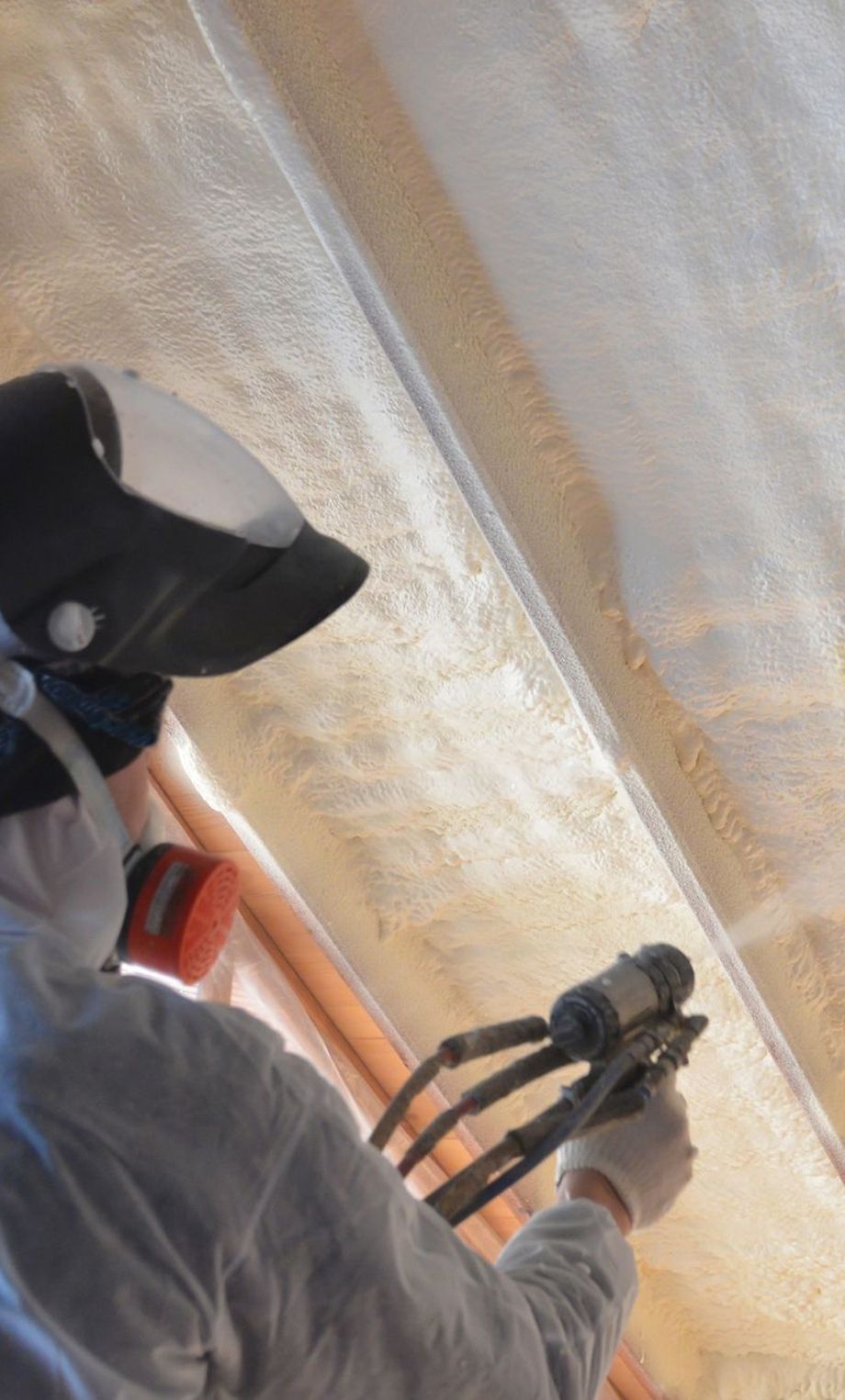
- Correct spraying: Spray the foam from a suitable distance and with consistent movement. Avoid excessively dense layers to prevent uneven expansion and weak spots.
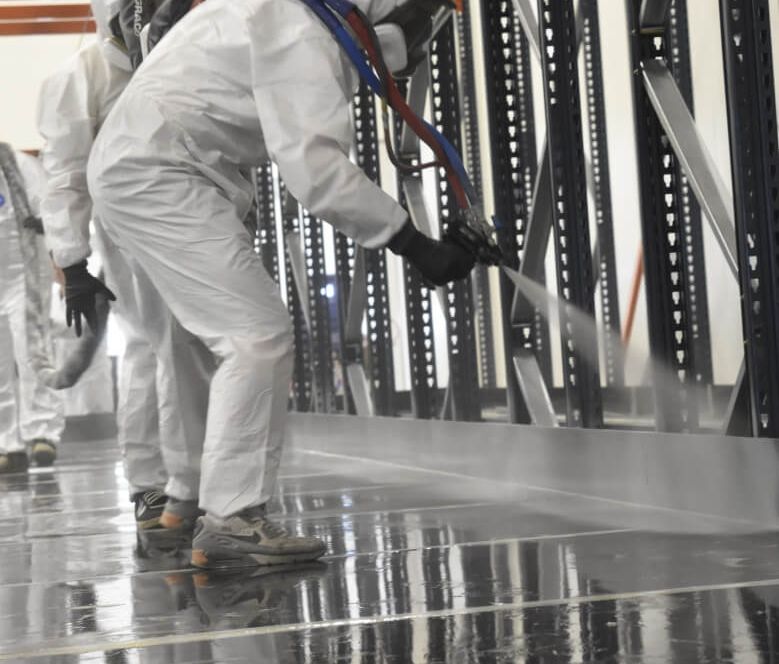
- Safety precautions: Appropriate protective clothing such as gloves, goggles and mask must be worn when using polyurethane foams. Foam particles can be irritating and it is important to avoid direct contact with the skin and respiratory tract.
- Insulation drying: Wait until the insulation is fully expanded and dry before working on it or doing any other work around it.
Taking these tips into account and following the manufacturer’s instructions can ensure the effective and safe use of polyurethane foam. If you have any doubts or questions, it is better to consult a specialist or an experienced professional.
Is polyurethane foam safe to use?
Yes, polyurethane foam is safe to use if all the manufacturer’s instructions and safety rules are followed properly. However, it is important to note a few important points:
- Ventilation: Proper ventilation must be used to avoid high concentrations of foam particles in the air. This can be achieved by working in an open space or by using a suitable ventilation system in confined spaces.
- Protective equipment: It is recommended to wear appropriate protective clothing such as gloves, goggles and mask. Foam particles can be irritating to the skin and respiratory tract, so it is important to avoid direct contact with them.
- Correct use: Follow the manufacturer’s instructions and directions for the correct use of polyurethane foam. Make sure you are properly trained and understand all steps of the process.
- Safe storage: Store polyurethane foam bottles and containers in areas where they are protected from direct sunlight and high temperatures. It is also necessary to follow storage and handling instructions to avoid accidents and disasters.
- Do not misuse: Do not make unauthorised changes or make inappropriate decisions, such as spilling a bottle or container with polyurethane foam, to avoid hazardous situations.
What is the strength and durability of polyurethane foam?
The strength and durability of polyurethane foams can vary considerably depending on many factors, including their application, quality, conditions and circumstances. Here are the main factors that can affect the strength and durability of polyurethane foams:
- Quality control: High-quality polyurethane foams, which are produced to strict manufacturing standards, can offer greater strength and durability than cheaper, lower quality alternatives.
- Spray method: Polyurethane foam must be properly sprayed or penetrated in the correct location to achieve optimum strength. Improper application method or insufficient filling may reduce the strength.
- Environmental conditions: The strength of polyurethane foam may be affected by temperature fluctuations, humidity, sunlight and other environmental conditions. Appropriate environmental conditions can increase the durability.
- Heavy Load: The ability of polyurethane foams to withstand loads depends on their density and the method of application. Properly filled foams can provide a strong and durable base.
- Storage conditions: Polyurethane foams should be stored under appropriate temperature and humidity conditions to prevent damage or loss.
In general, quality polyurethane foams can provide good strength and durability when properly applied and maintained. However, it should be remembered that each project may have its own specific requirements, so it is important to consult professional experts to select the most appropriate foam types and application methods.
Is polyurethane foam suitable for interior or exterior applications?
Yes, polyurethane foam can be used for both interior and exterior applications, depending on the specific application. Here are some examples of how polyurethane foam can be used for interior and exterior applications:
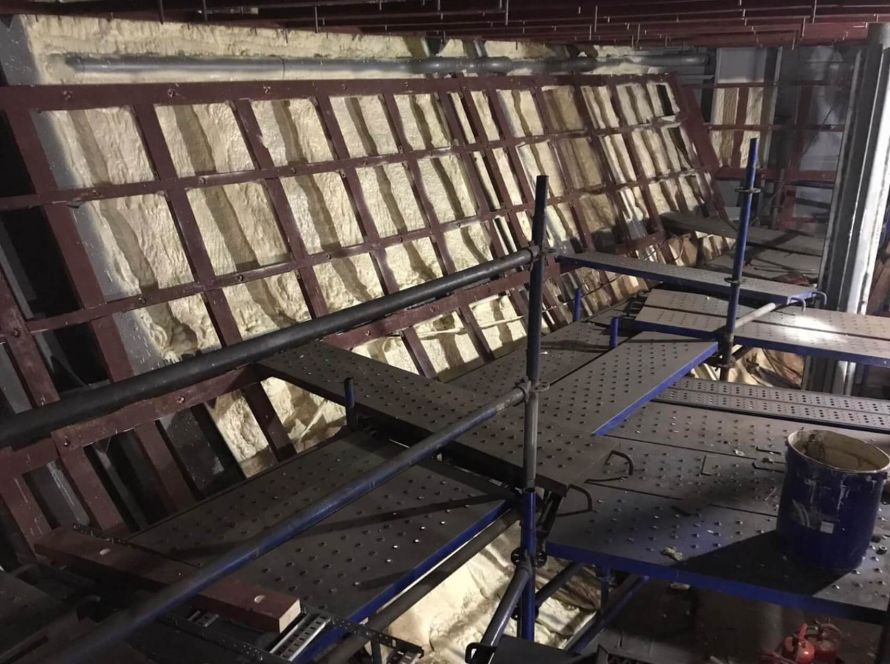
- Internal use: Polyurethane foam can be used for internal insulation, e.g. between roof joists, walls or floors. It can also be used between openings and holes to fill any gaps that may allow cold air or water to enter the room. In addition, they can be used as a fixing material for various projects.
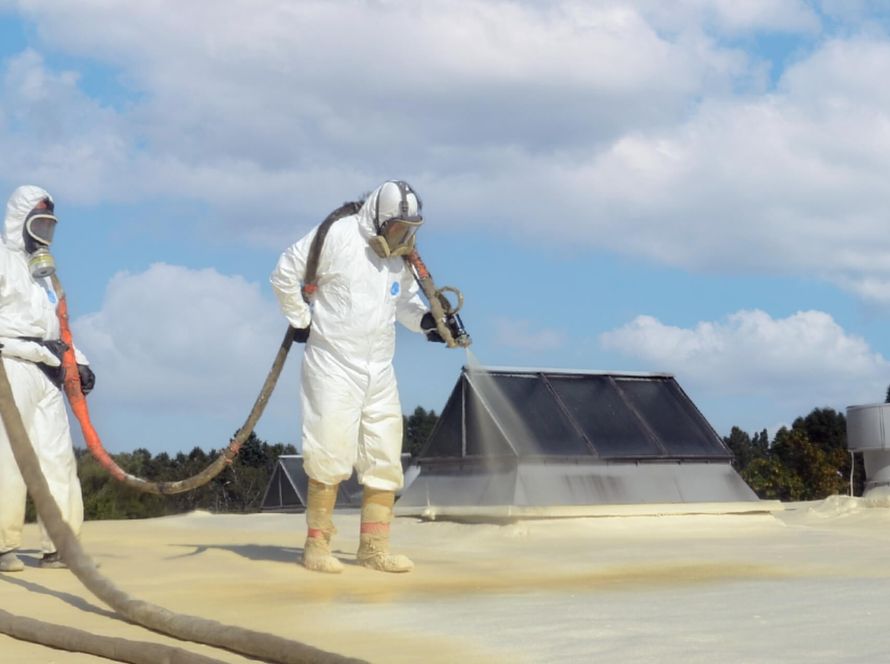
- External use: Polyurethane foam can be used to insulate external structures such as roofs, walls and floors. They can be used as a sealing material around windows, doors and other joints to ensure good thermal insulation and water resistance. They can also be used as a fixing material, e.g. for fixing insulation panels or other external elements. It is important to choose the right type and shape of polyurethane foam.
How can polyurethane foam help reduce energy consumption?
Polyurethane foam can help reduce energy consumption in several ways:
- Insulation: polyurethane foam can be used as an effective insulation material between roof joists, walls or floors. Well-insulated buildings retain interior heat in winter and cool in summer, making it less necessary to use heating or ventilation systems to maintain a comfortable temperature. This reduces energy consumption for space heating or ventilation.
- Sealing: Polyurethane foam can also be used as a sealing material around windows, doors and other joints. Well-sealed rooms prevent heat loss through penetrating cold or air currents, thus reducing energy costs that would be spent on additional heating or ventilation.
- Lower thermal conductivity: Polyurethane foam has a lower thermal conductivity than other insulation materials such as mineral wool or foamed plastics. This means that they trap heat more efficiently inside and prevent it from escaping into the environment, so less energy is needed to heat or ventilate the building.
All of these factors contribute to reduced energy consumption and help make buildings more energy-efficient and environmentally friendly. However, it is important to choose and use the right polyurethane foam insulation and sealing materials to achieve the maximum effect.
How to clean polyurethane foam?
To clean polyurethane foam properly, the following steps should be followed:
- Remove large particles: before cleaning, remove any large particles, dust or other dirt with a brush or vacuum cleaner. This will help to avoid scratching or marring the surface.
- Clean gently with water: Polyurethane foam can be cleaned with a soft brush dipped in warm water with mild detergent or soap. Gently wipe or brush the surface until the dirt is removed.
- Avoid abrasive materials: Avoid the use of abrasive materials or tools such as hard brushes or sharp tools to avoid damage to the surface.
- Rinse and wipe: After cleaning, rinse the surface with a clean wet towel or sponge to remove any remaining detergent residue. Cover the surface with a dry clean towel.
- Avoid the use of harsh chemicals: Avoid using harsh chemical cleaners containing acetone, solvents or alcohol as they can damage the polyurethane foam.
- Special cleaning: If you have large stains or stains that are difficult to remove, you can try special polyurethane foam cleaners that are designed to clean this surface.
By following these steps, you will be able to clean the polyurethane foam properly and maintain its appearance and durability. However, it is important to carry out the first test in a low visibility area.
Is polyurethane foam resistant to water and temperature fluctuations?
Yes, polyurethane foams are quite resistant to water and some temperature fluctuations, but this can depend on the type and composition of the product in question. Most polyurethane foams are waterproof and can be used for both interior and exterior applications, but it is important to pay attention to the manufacturer’s instructions and recommendations regarding the conditions of use. The resistance to temperature fluctuations may also vary depending on the polyurethane foam.
Many of these products can tolerate some temperature changes, but extreme temperature conditions can affect their performance. For example, some foams may be more sensitive to high or low temperatures, so it is important to choose the right product for the location and conditions you plan to use. It is always better to consult the manufacturer or a specialist if you have doubts about the resistance of polyurethane foam.
How long does polyurethane foam take to dry?
The drying time of polyurethane foam can vary depending on a number of factors including humidity, temperature, layer thickness and product type. In general, polyurethane foam starts to cure and dry within a few minutes after being sprayed from a special container or spray gun. Full drying can usually take several hours to several days, depending on the weather conditions and the thickness of the foam layer. Warm and dry conditions will speed up the drying process, while wet or cool weather may slow it down. It is important to follow the manufacturer’s instructions and recommendations for dwell times to ensure that the polyurethane foam dries properly and creates a strong seal.
Can I paint on a polyurethane foam surface?
Yes, many polyurethane foams are compatible with painting. However, you must wait until the foam is completely dry before painting. This will usually take several hours or even a day, depending on the weather conditions and the thickness of the foam layer.
Before painting, make sure that the surface of the polyurethane foam is dry and clean.
It is also important to use suitable painting products that are compatible with polyurethane and ensure good adhesion. It is recommended to check the paint manufacturer’s instructions for the correct products and procedures to achieve the best possible result.