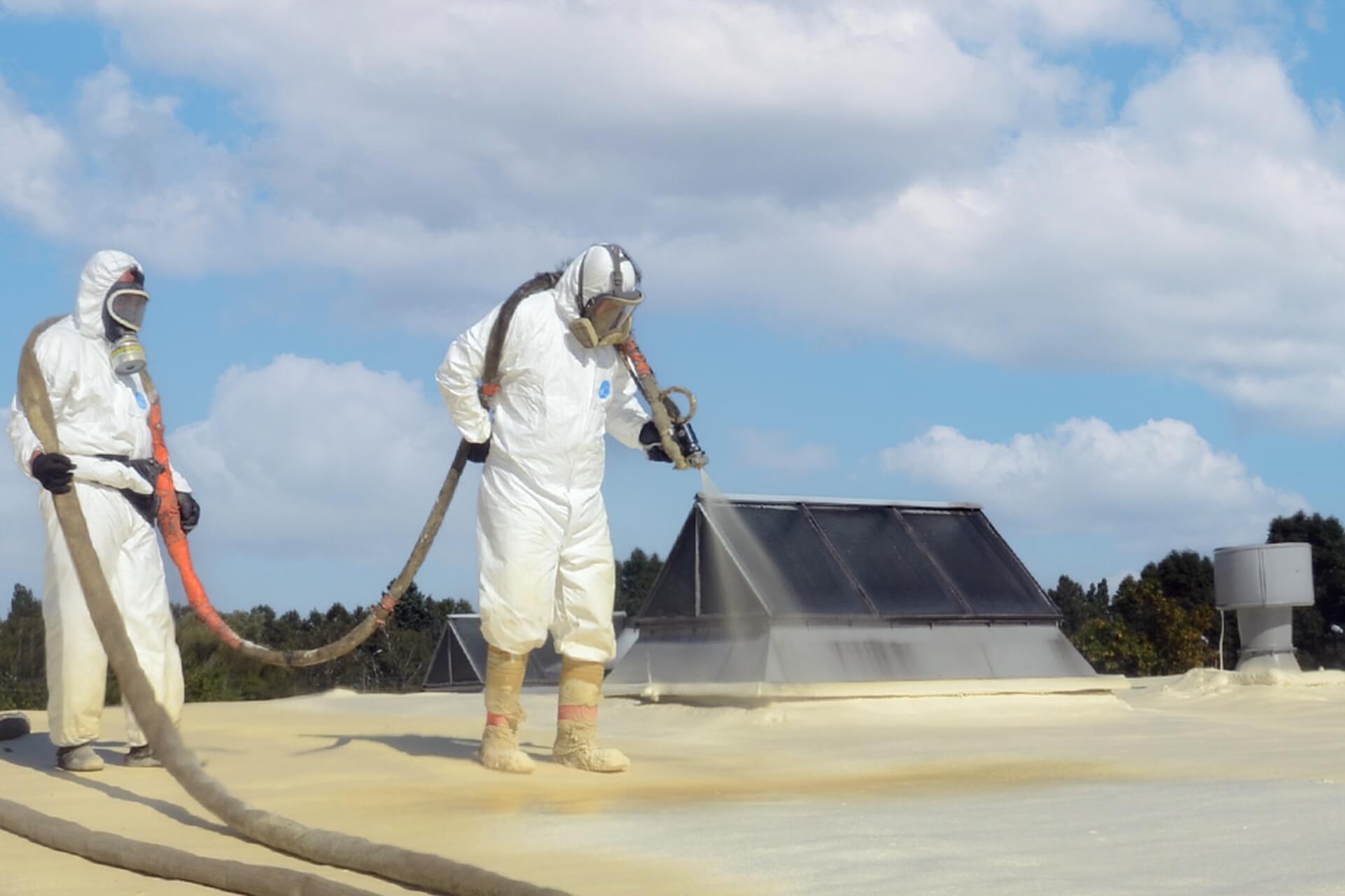
FLAT ROOF INSULATION. Flat roof insulation with polyurethane closed-pore technology. Insulation of flat roofs is an important aspect of both residential and commercial buildings. Proper roof insulation can reduce energy consumption, improve the energy efficiency of a building and ensure a comfortable microclimate. One of the most modern and efficient insulation technologies available today is polyurethane closed-cell insulation.
What is polyurethane closed-cell technology?
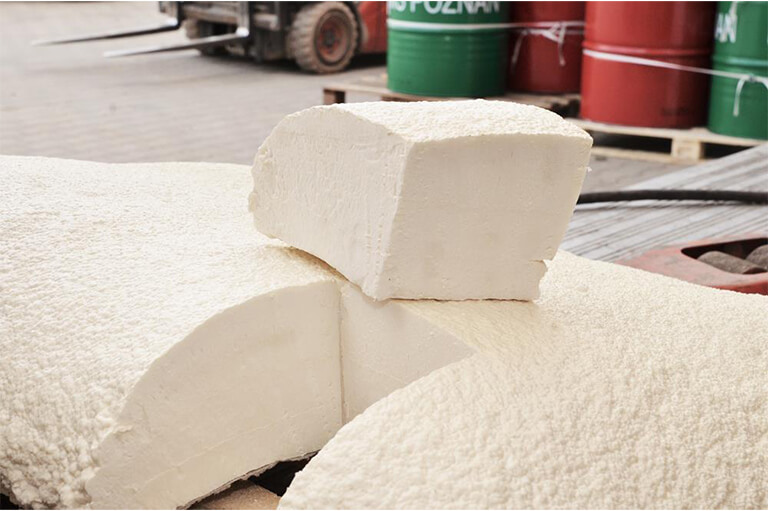
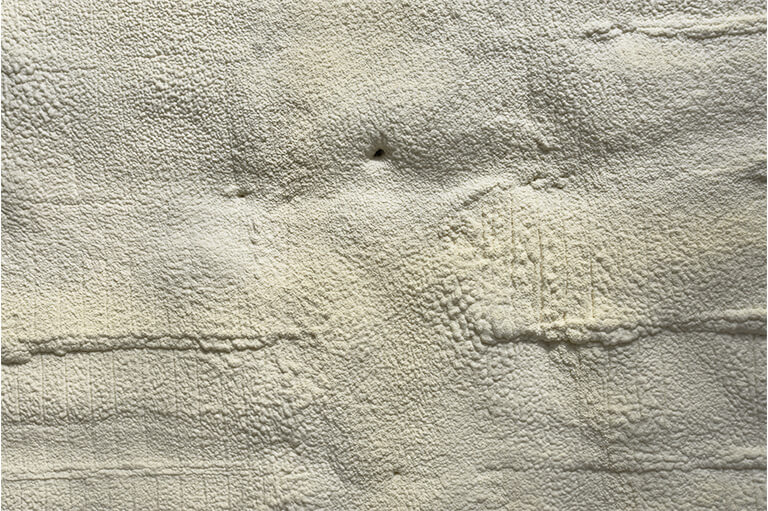
Polyurethane closed-cell insulation is a spray-on insulation that consists of two components – polyol and isocyanate. When these components mix, they react quickly to form a rigid, closed-pore structure. This material is a very lightweight but highly effective thermal insulator.
As experienced professionals, we can safely say that it is one of the most cost-effective and efficient choices in the construction process. Don’t let your hard-earned money slip by – invest in our reliable polyurethane foam roof insulation and start reaping the benefits today.
Key benefits
- High thermal resistance: the polyurethane closed-cell material has one of the highest thermal insulation values. This means that a smaller layer of material can provide higher heat retention than traditional insulation materials.
- Airtightness: The closed-pore structure prevents moisture and air from passing through the insulation, which helps prevent heat loss and condensation in the roof.
- Durability and longevity: Polyurethane insulation is resistant to environmental influences such as UV rays, moisture, chemicals and micro-organisms. This ensures a long service life and minimal maintenance costs.
- Easy installation: Spray-on insulation allows all cracks, crevices and irregular shapes to be filled quickly and efficiently. This ensures complete and uniform insulation without thermal bridging.
The process of insulating flat roofs
- Preparation: Before spraying the insulation, the roof surface must be thoroughly prepared. It must be dry, clean and free of dust and grease.
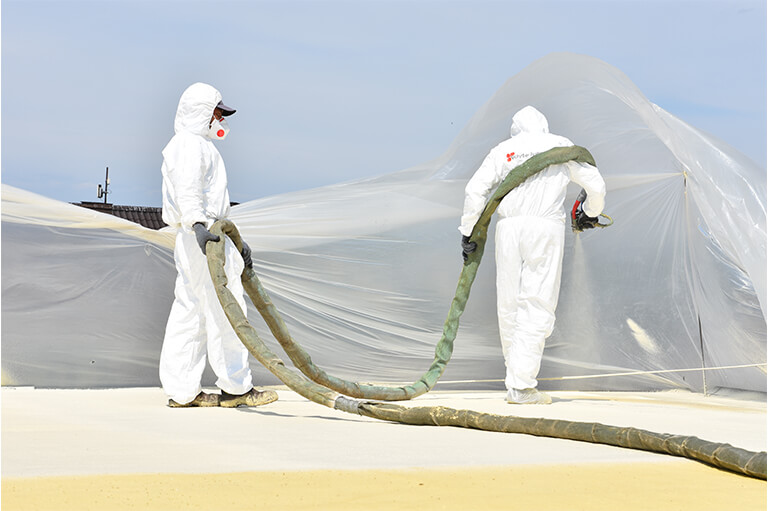
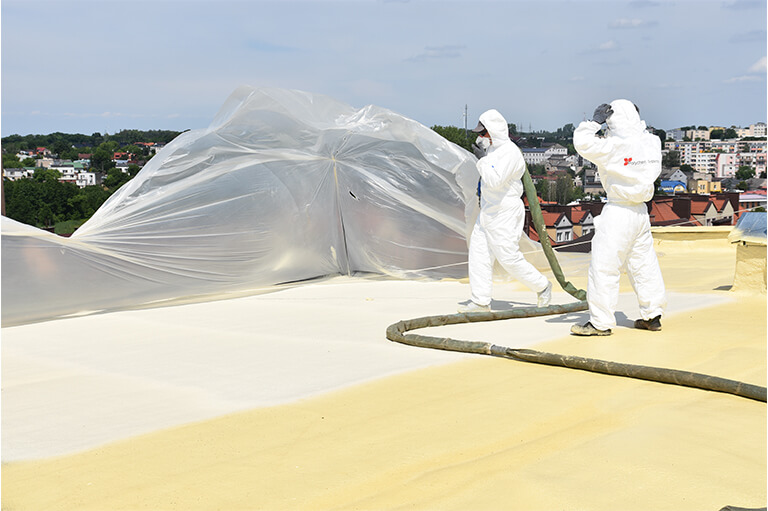
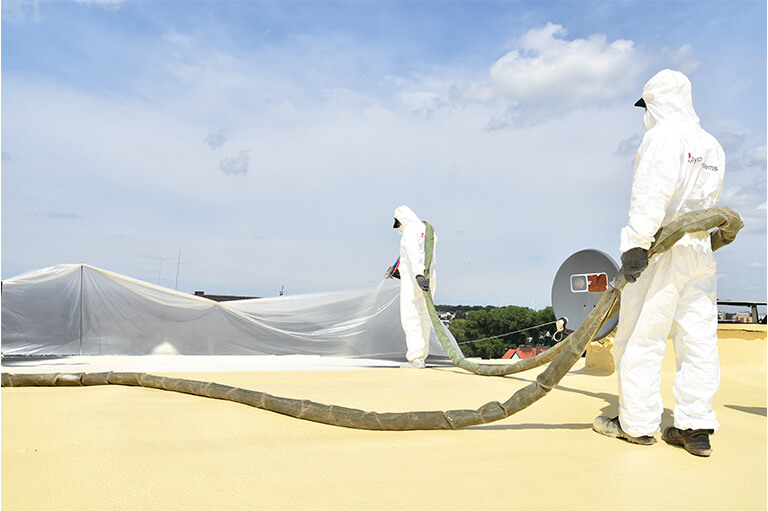
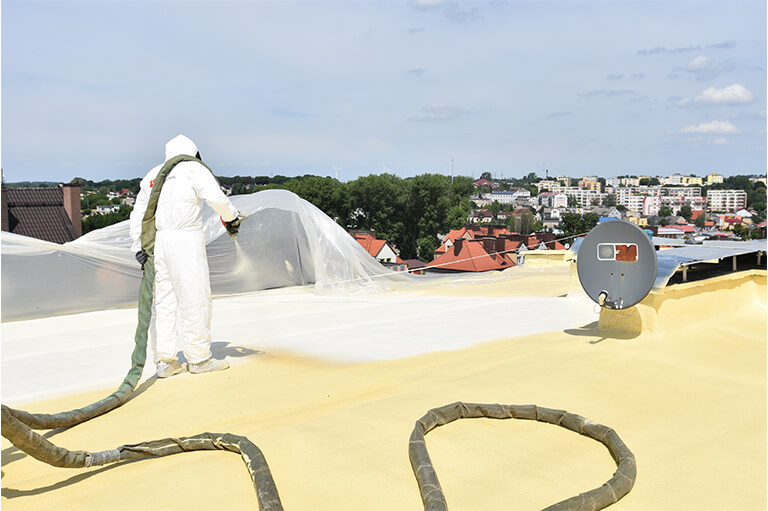
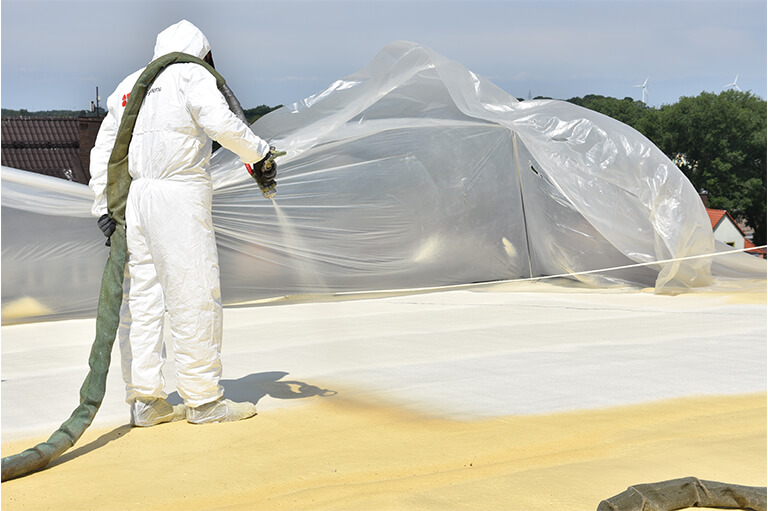
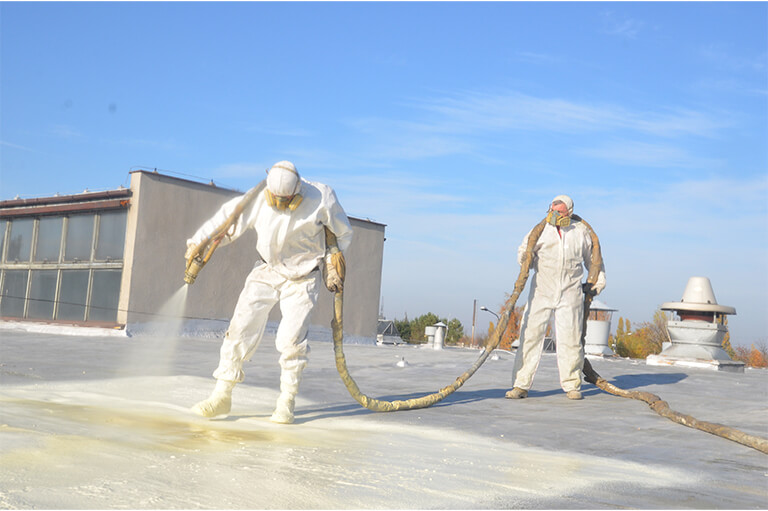
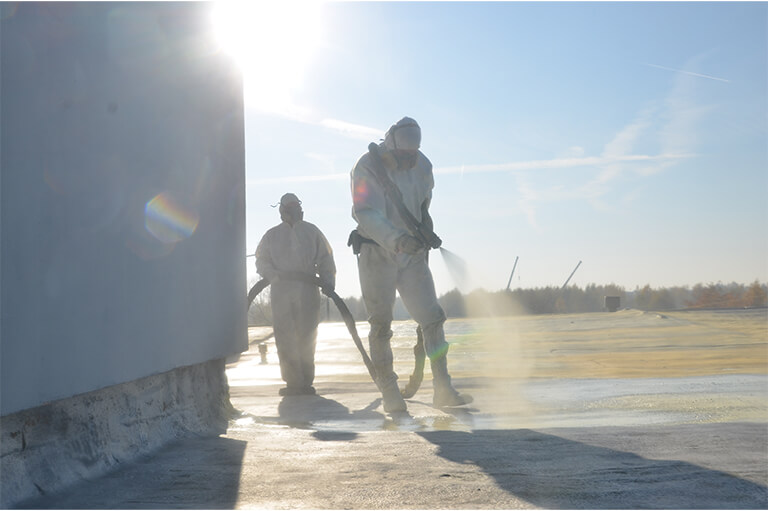
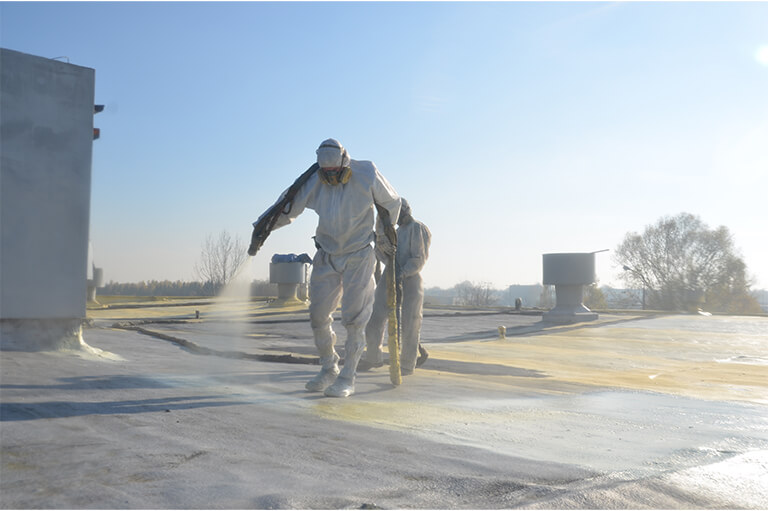
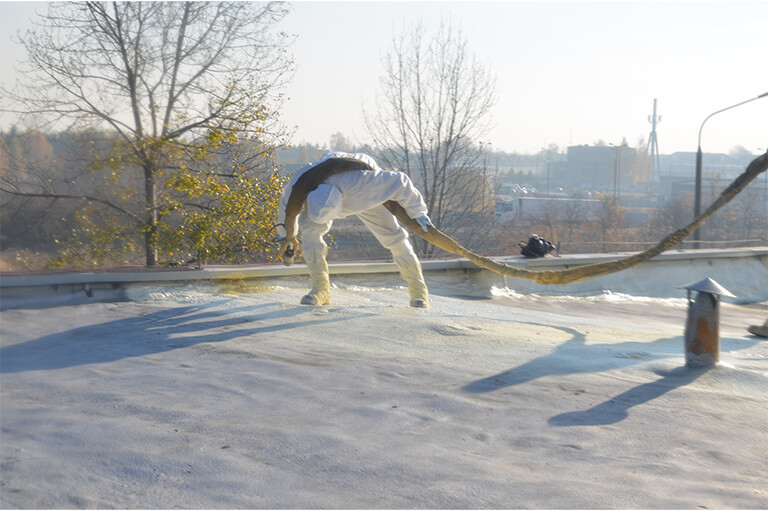
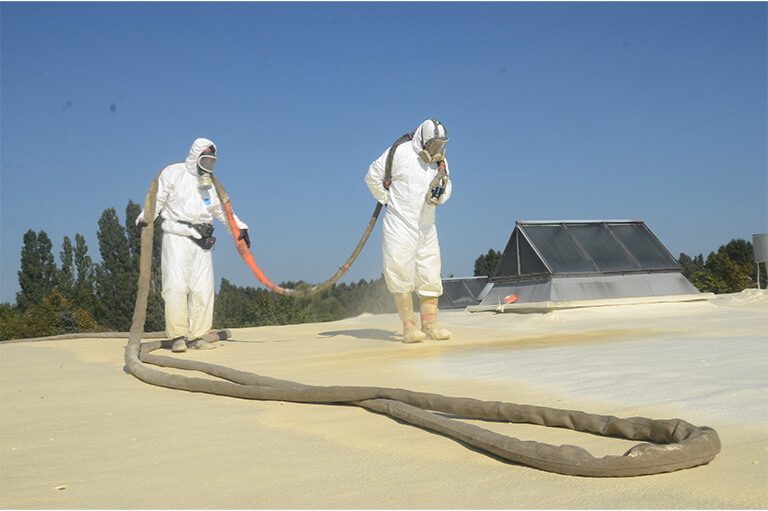
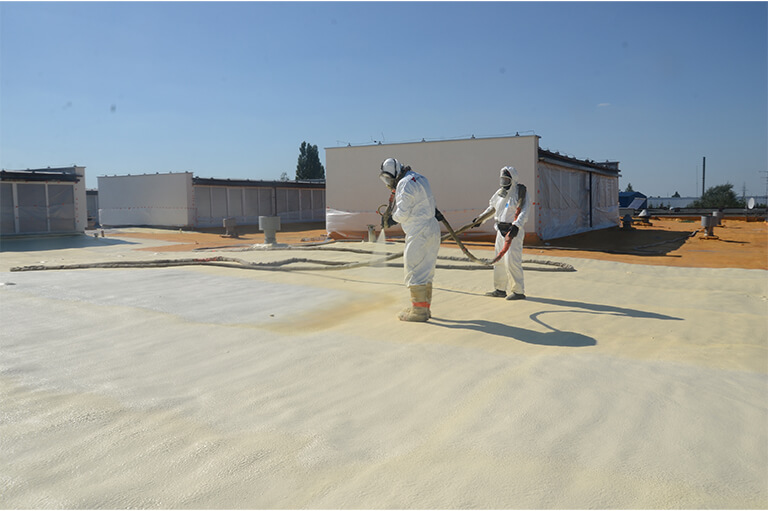
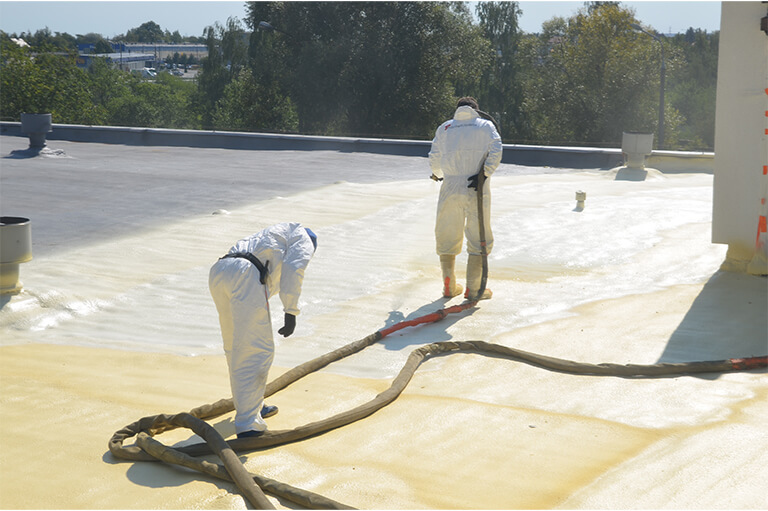
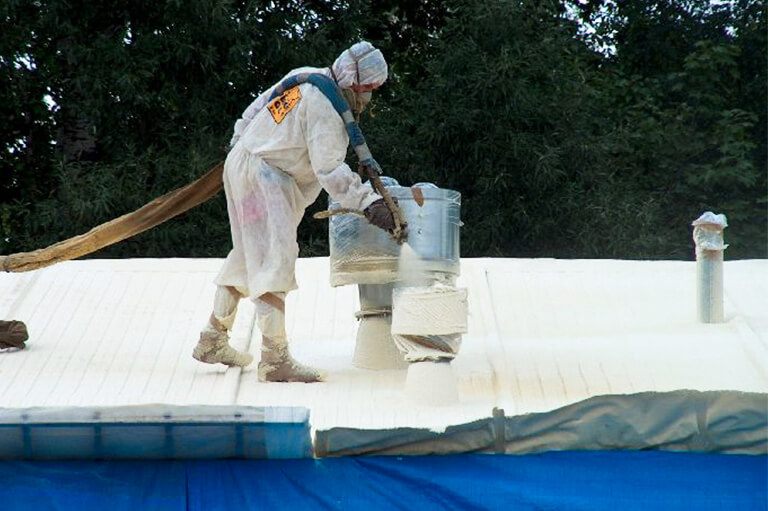
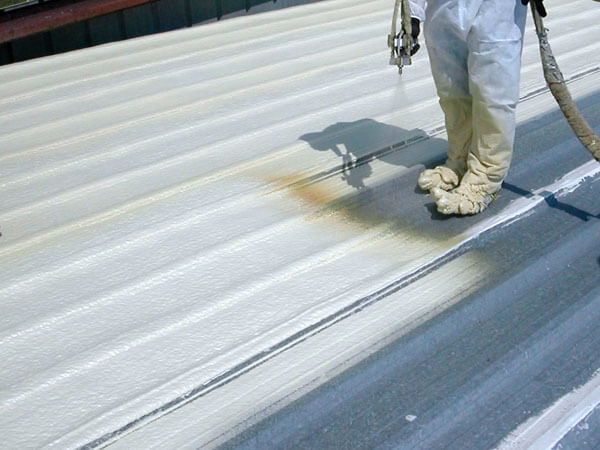
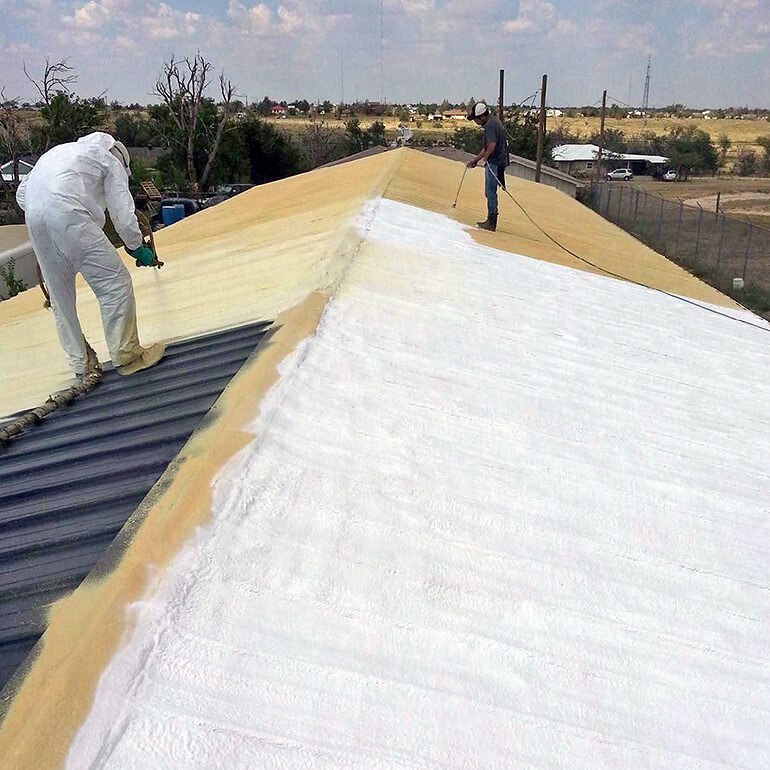
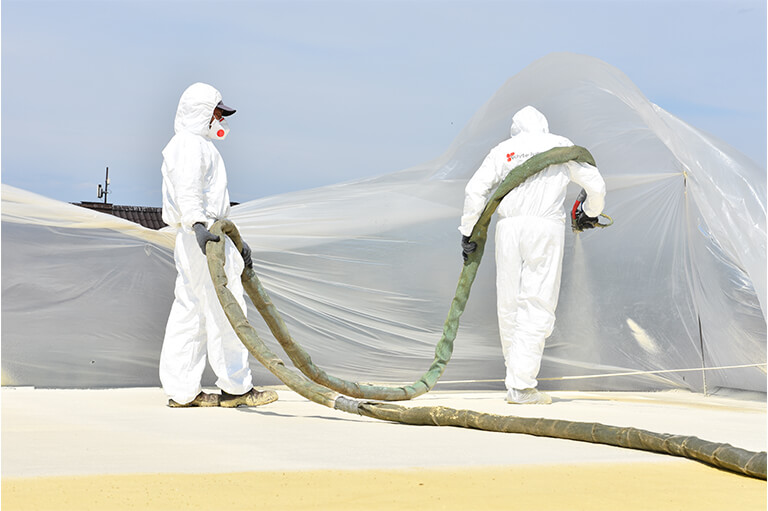
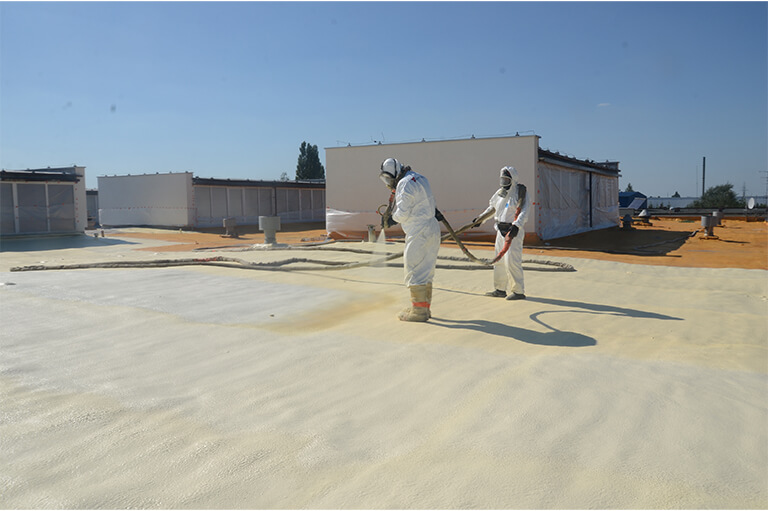
- Spraying the insulation: polyurethane closed-cell insulation is sprayed directly onto the roof surface. Special equipment ensures an even distribution of the material and the correct thickness of the layer.
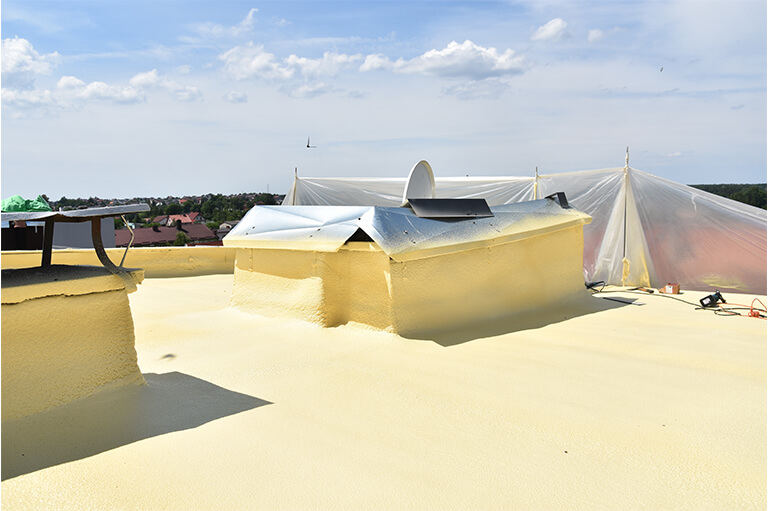
- Finishing: After spraying the insulation, the roof can be coated with a protective coating for additional protection against UV rays and mechanical damage.
Cost-effectiveness and benefits
Although polyurethane closed-cell insulation can be more expensive than some traditional insulation materials, the long-term benefits and energy cost savings often compensate for the initial investment. The technology not only reduces heating and cooling costs but also increases the value and comfort of the building.
Conclusions
Polyurethane closed-cell technology is a modern and efficient way to insulate flat roofs. High thermal resistance, airtightness, sustainability and ease of installation are just some of the many advantages that make this technology an excellent choice for both new and renovated buildings. If you are considering roof insulation, polyurethane closed-cell insulation is worth considering as a reliable and long-term investment.
How to insulate flat roofs with closed-cell polyurethane foam
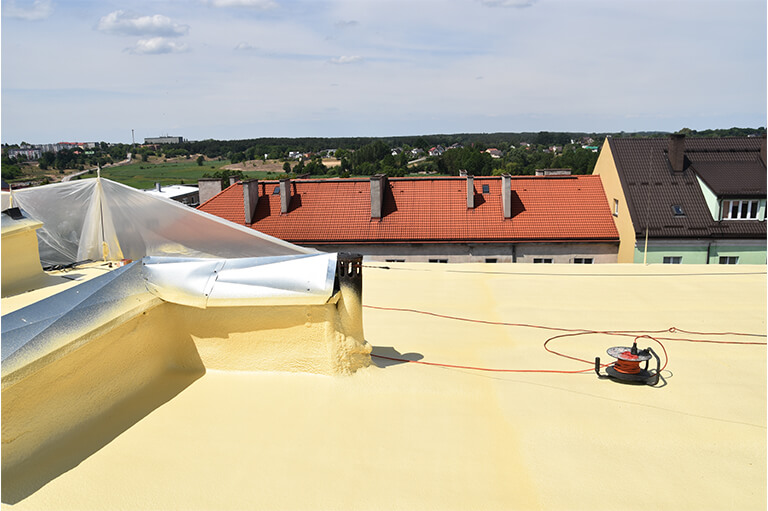
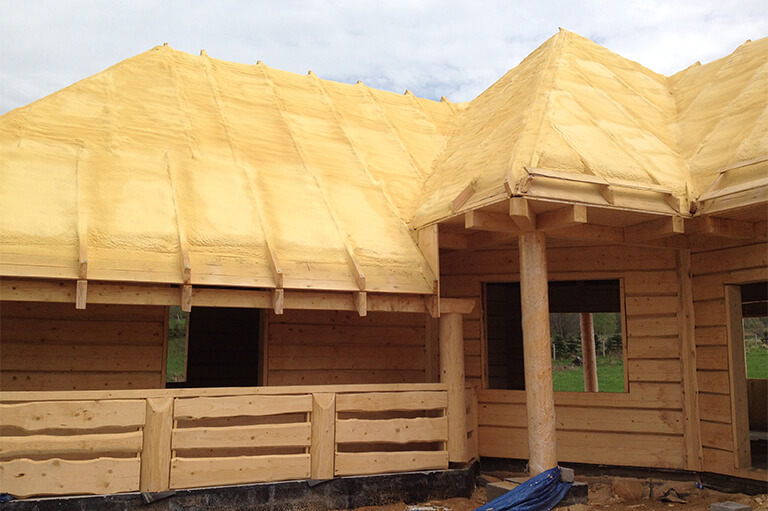
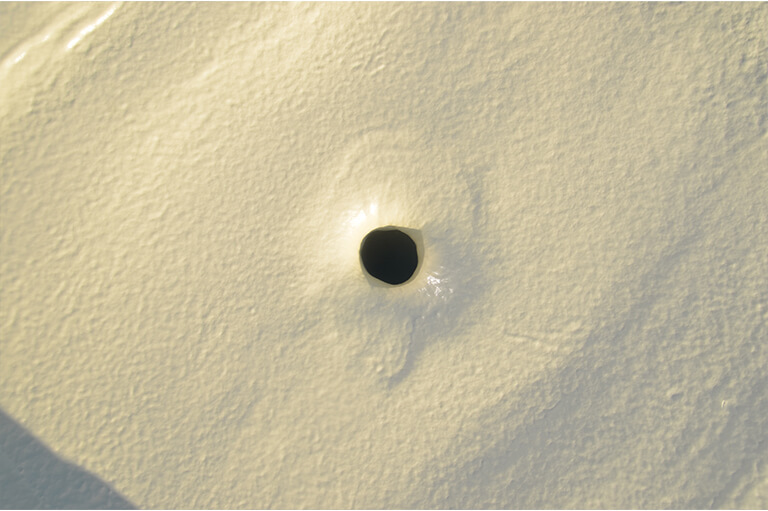
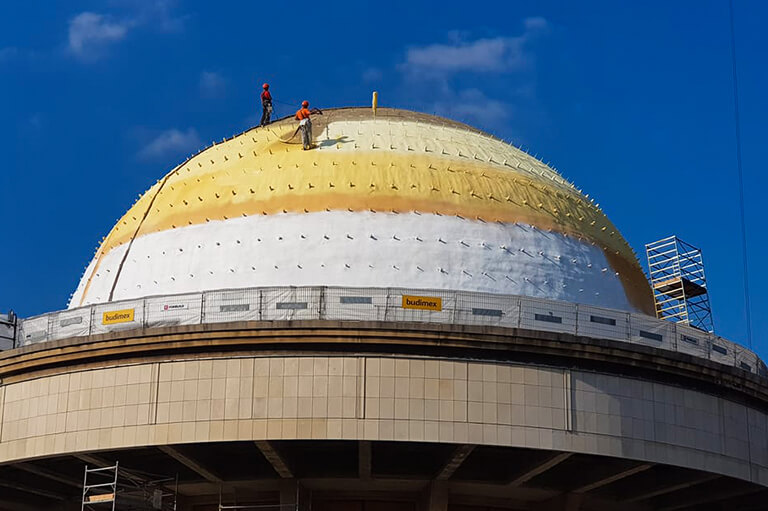
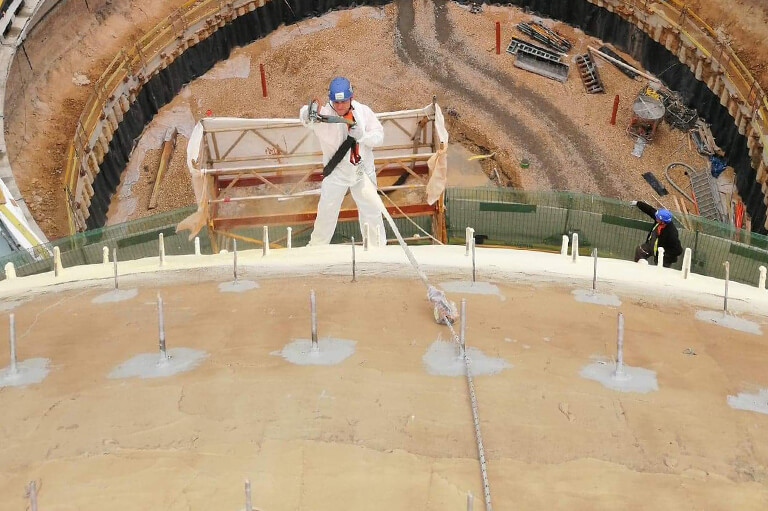
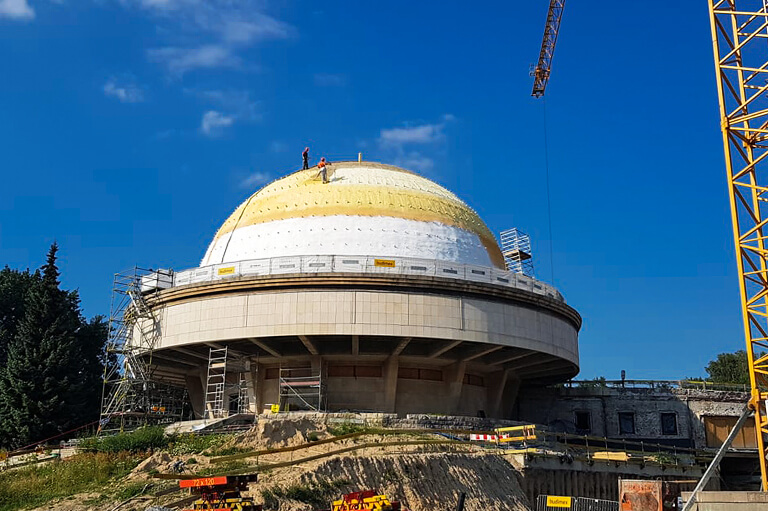
Photo gallery with closed-pore foam insulation works for flat roofs